There's no denying that Iceland is a bucket list destination in itself.
The incredible nature, puffin season, the northern lights, swimming in the geothermal baths, finding hidden waterfalls, and of course, completing the entire ring road.
There is something for everyone in Iceland, regardless of what season you visit in - but here are five things you absolutely cannot miss!
*This blog may contain affiliate links that earn a commission to help support this free website. All opinions remain my own. Affiliate links featured in my blog posts will never affect the price you pay, except to sometimes provide you with a discount. Learn more
FIVE things that NEED to be on your Iceland bucket list
5. Northern Lights Tour
A lot of people talk about how beautiful it is to visit Iceland in Summer, where you’ll experience Puffin Season and Midnight Sun – but let’s not overlook how incredible it is in Winter, while there are shorter daylight hours, there’s plenty of opportunity to see the Northern Lights!
When is the best time to see the Aurora in Iceland?
The best months to see the aurora or Northern Lights in Iceland are the months of September, October, March, and November. However, you’ll have a chance to see them anywhere between late September and early April due to the winter months and darker nights.
The reason September, October, March, and November give you the best chance to see the aurora is due to the lesser cloud coverage that Iceland tends to experience in comparison to other winter months. September and March in particular can provide great opportunities to see the northern lights due to the equinoxes that occur, meaning there’s increased solar activity.
How well you can see the aurora with the naked eye and capture it on camera depends on visibility, light pollution, the Kp index and the equipment you use to shoot.
I visited in December, with low expectations to see the aurora due to heavy cloud coverage throughout my trip, but I still managed to see a mild display! Plus, what is considered a 'mild display' was still able to be seen with my naked eye!
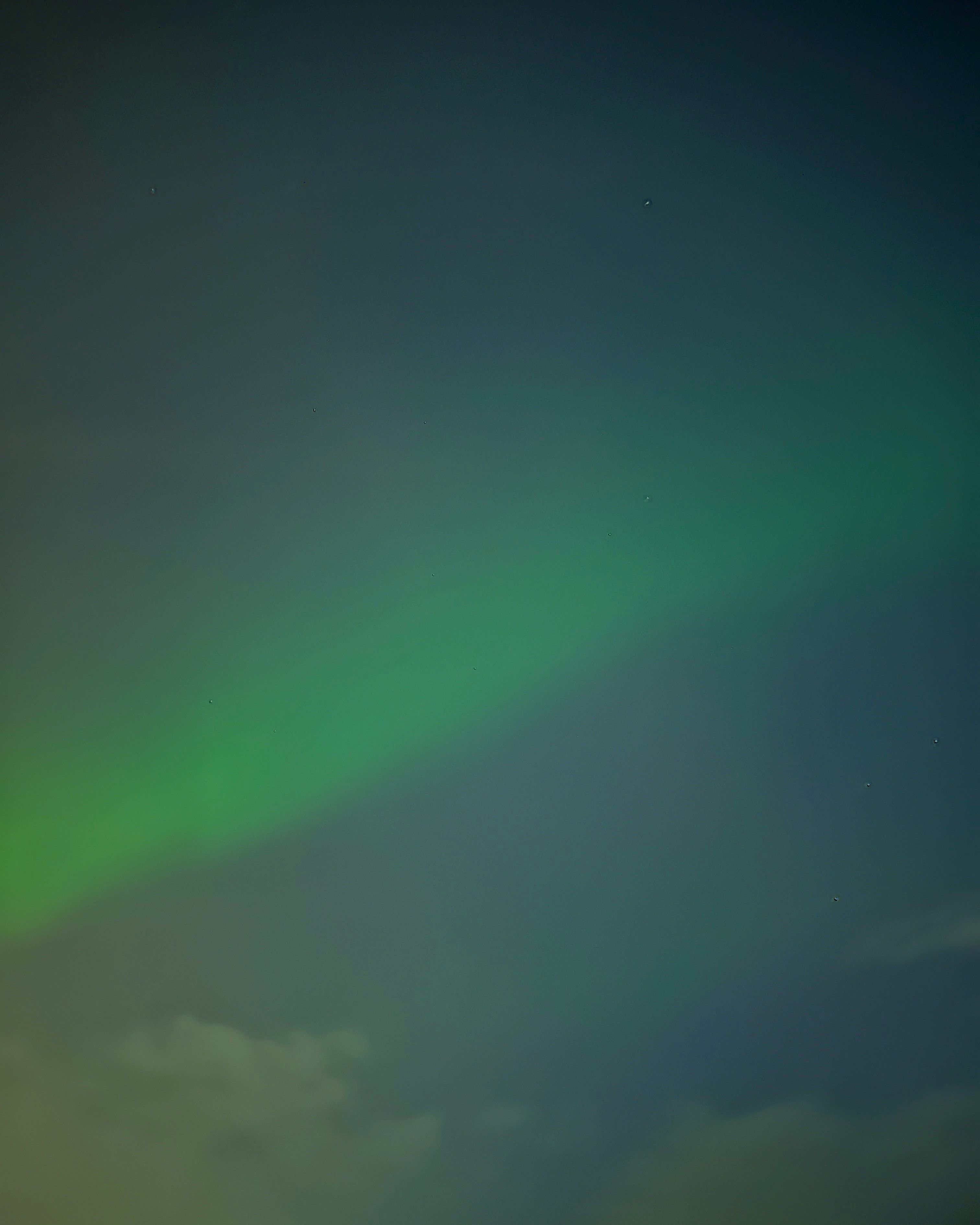
Mild Aurora captured in Reykjavik during the month of December, shot on an iPhone.
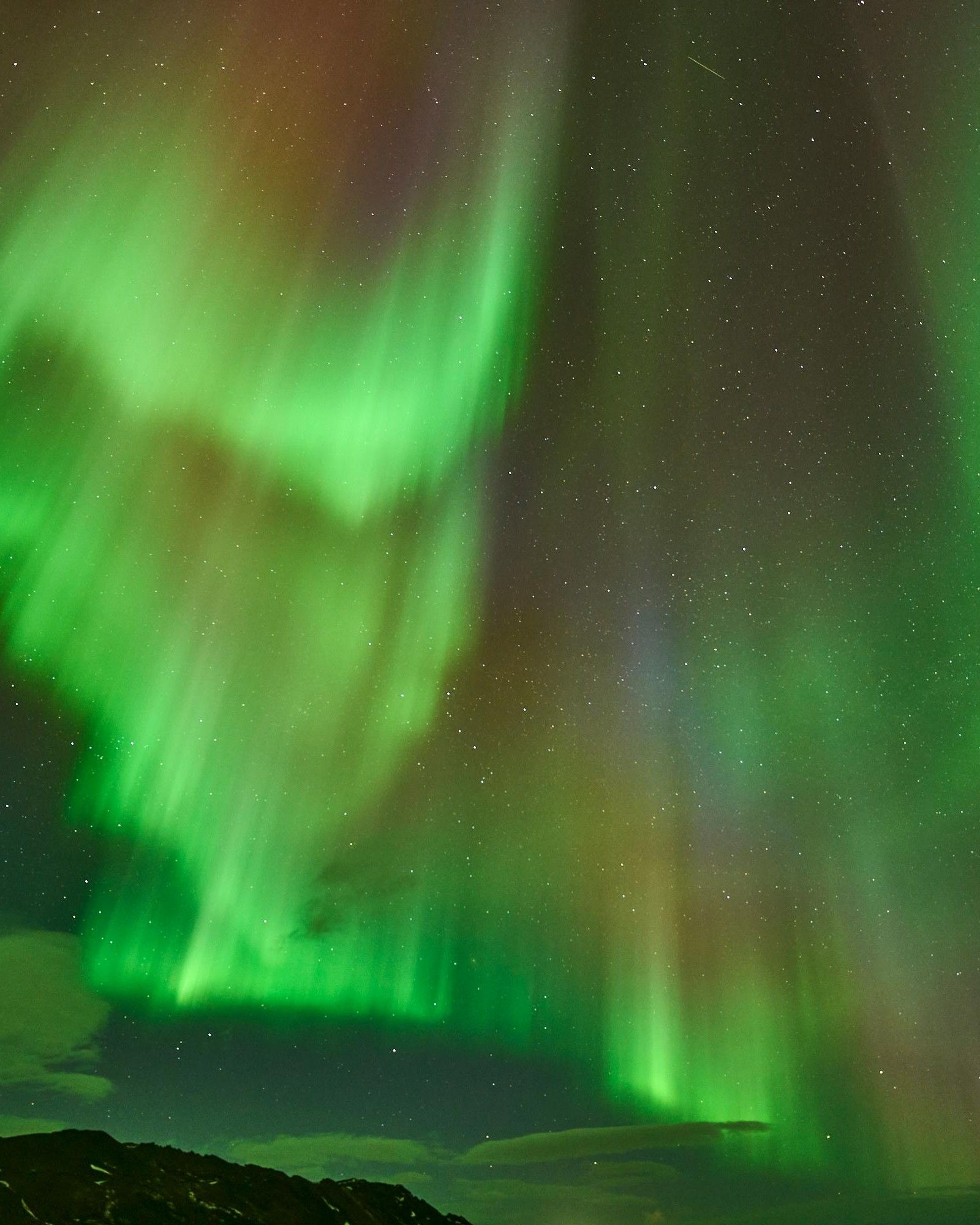
Strong Aurora Borealis over Reykjahlíð, Þingeyjarsveit, Iceland. Captured on ILCE-1 Camera.
Where are the best places to see the Northern Lights in Iceland?
The best places to see the Northern Lights is anywhere with no/little cloud coverage, and as little light pollution as possible.
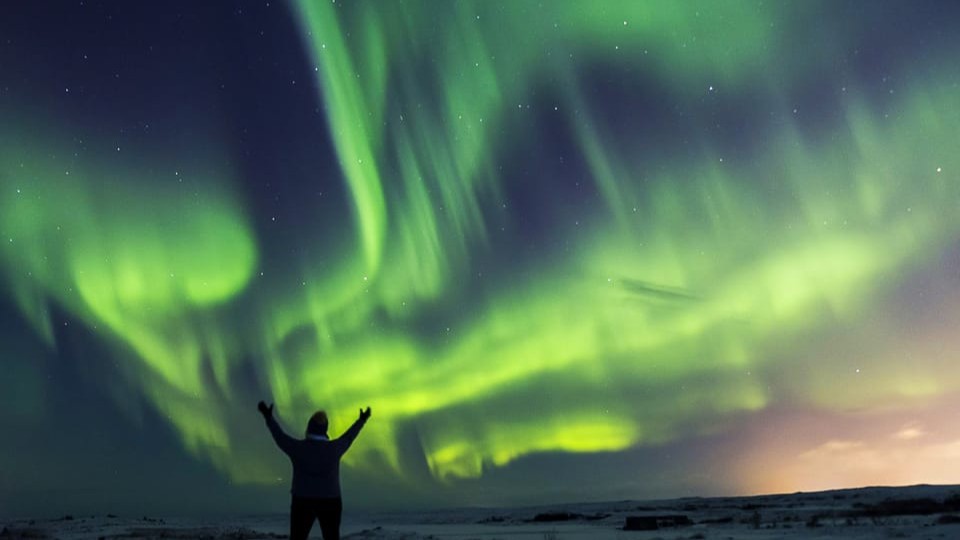
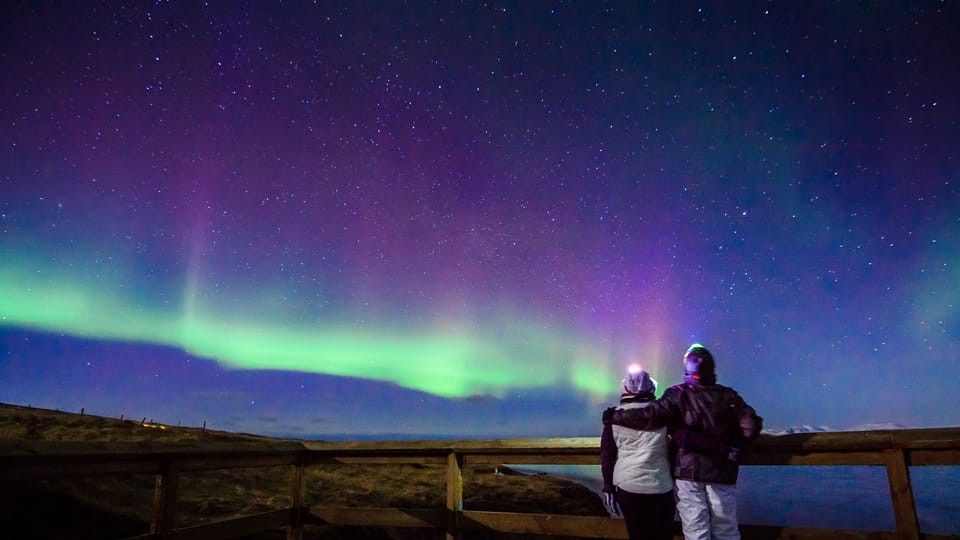
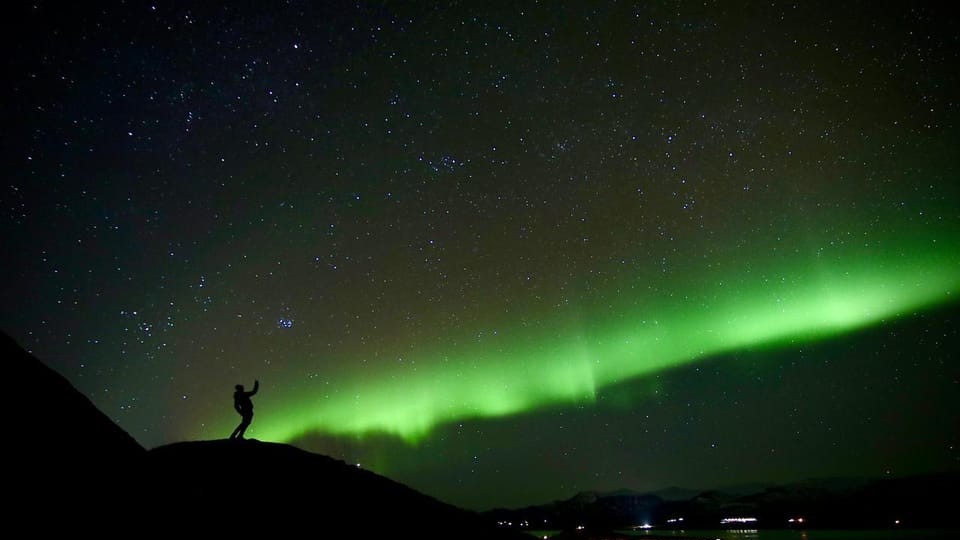
If you’re not sure where to go, then jumping on a Northern Lights tour could be a good opportunity for you to see the lights! A guide will take you around to the most common stops while tracking the aurora on an app and keeping in contact with other local guides so they can drive to the locations if they are sighted.
However, you’re obviously not guaranteed to see the aurora, and it can be disappointing if you don’t get to see them. Most tours will often offer another free tour for you to do a different night so you can try again!
How to track the Aurora?
If you don’t fancy a tour and want the freedom to drive around Iceland yourself, you can use the Hello Aurora app to track the Northern Lights!
This app was recommended to me by my Northern Lights Tour Guide, and it certainly was helpful!
Just keep in mind that the app does cover alerts for the Northern Lights across the world, so you might end up getting a lot of notifications for sightings in places that are a lot further away as well.
What’s the best place to see the Northern Lights from in Reykjavik?
By the Sun Voyager Statue, or if you’re willing to walk a bit further out of Reykjavik, then the Grótta Island Lighthouse is another great spot to see the Northern Lights due to the low levels of light pollution.
4. Black Sand Beach
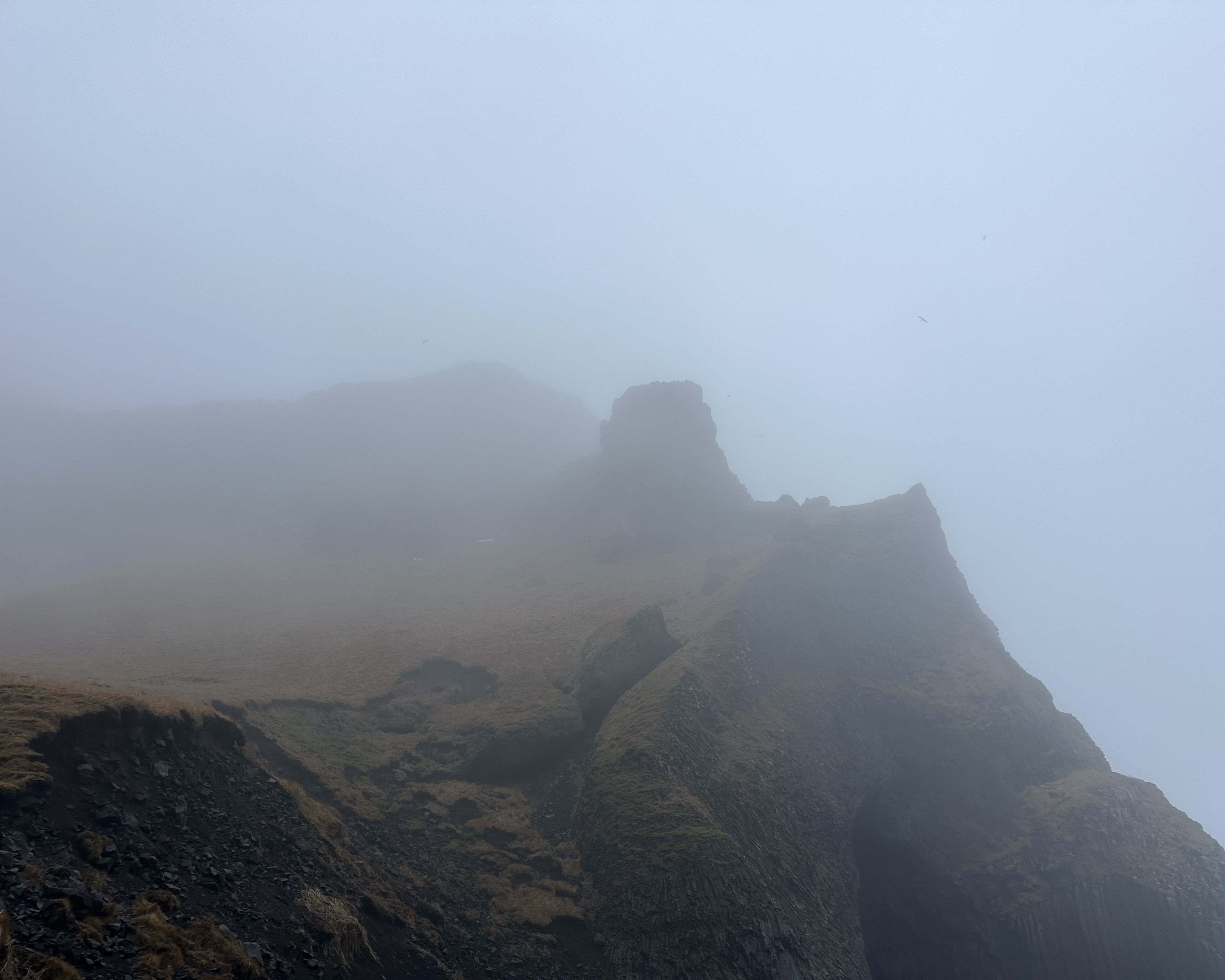
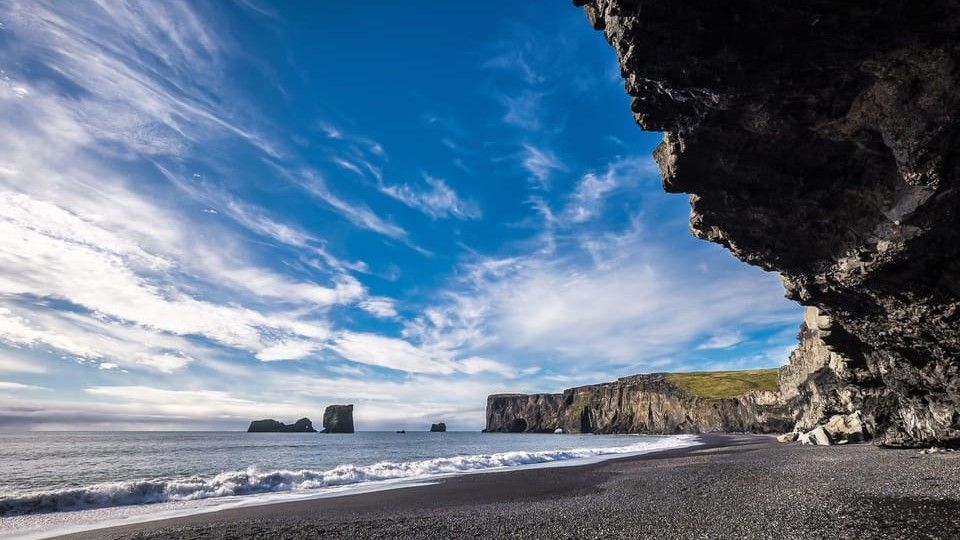
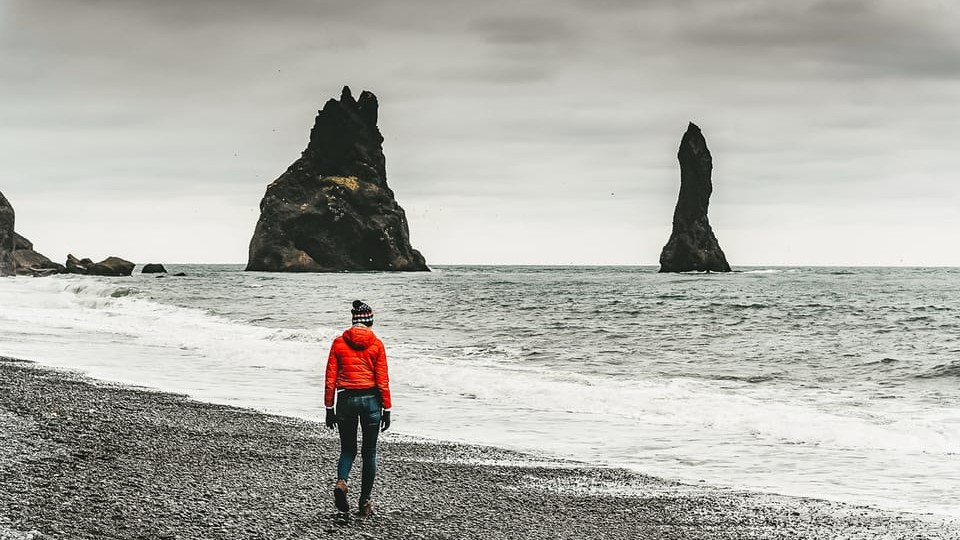
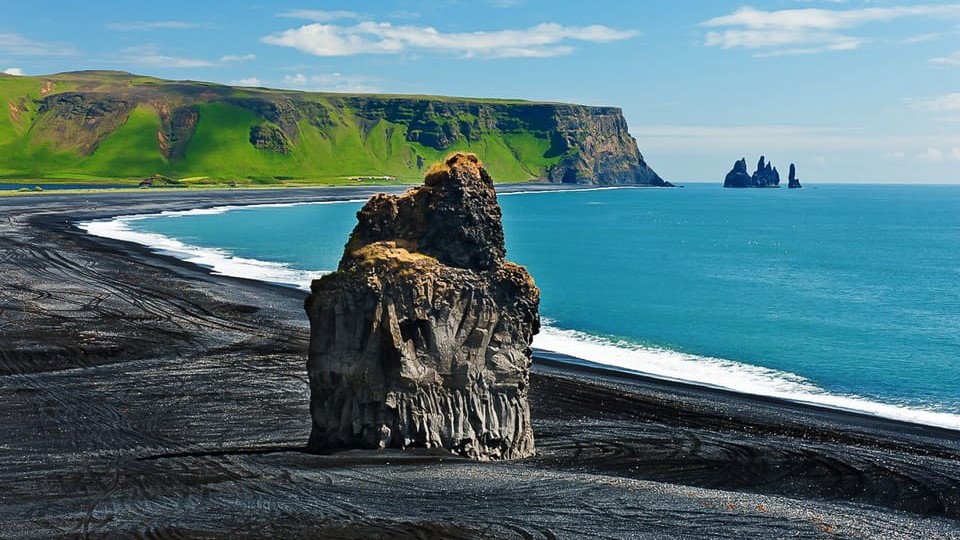
Iceland is full of black sand beaches, with Reynisfjara being the most popular – this also happens to be the most dangerous beaches in Iceland, so if you’re planning to visit, then it’s important to do so safety.
Why is Reynisfjara Beach so dangerous?
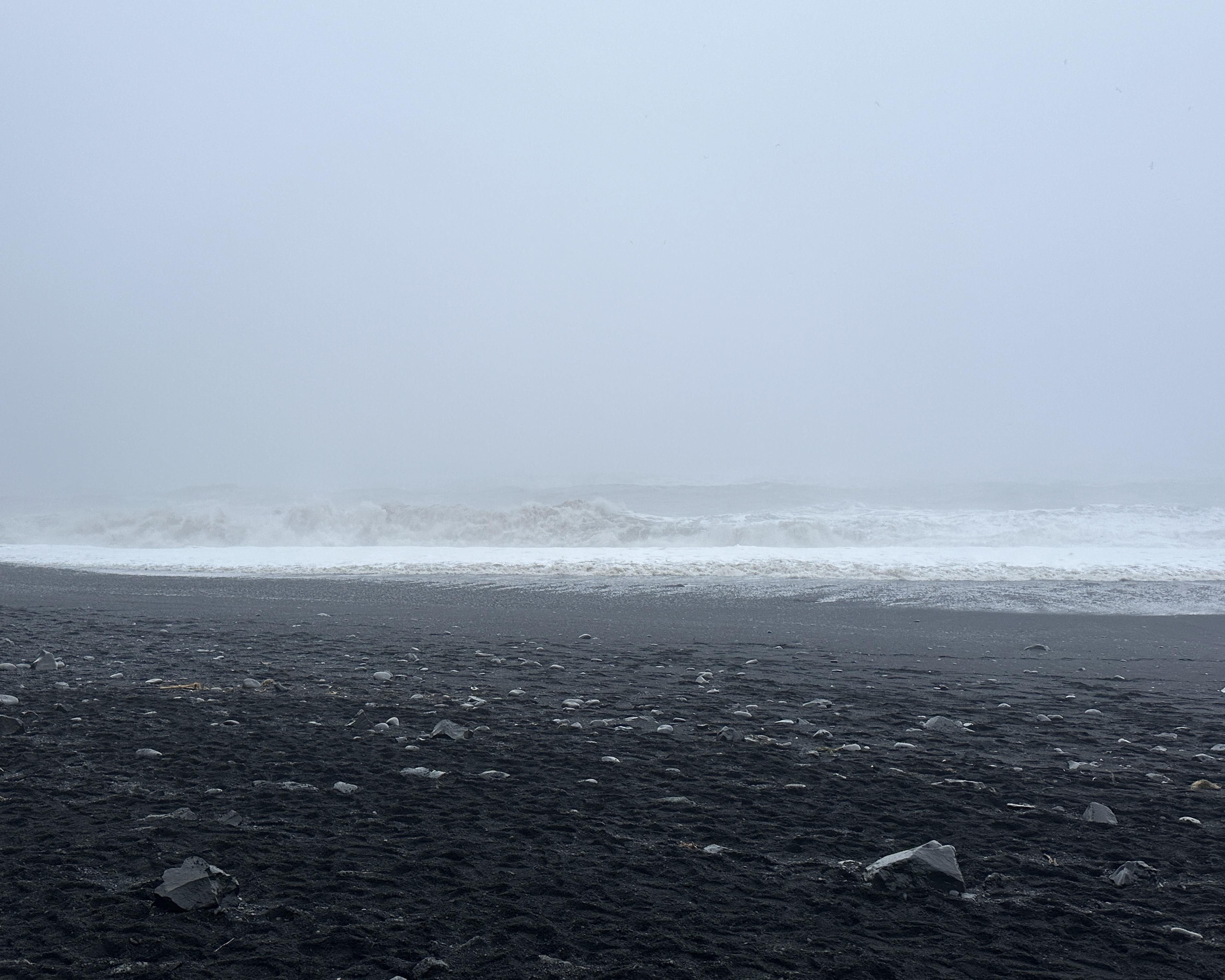
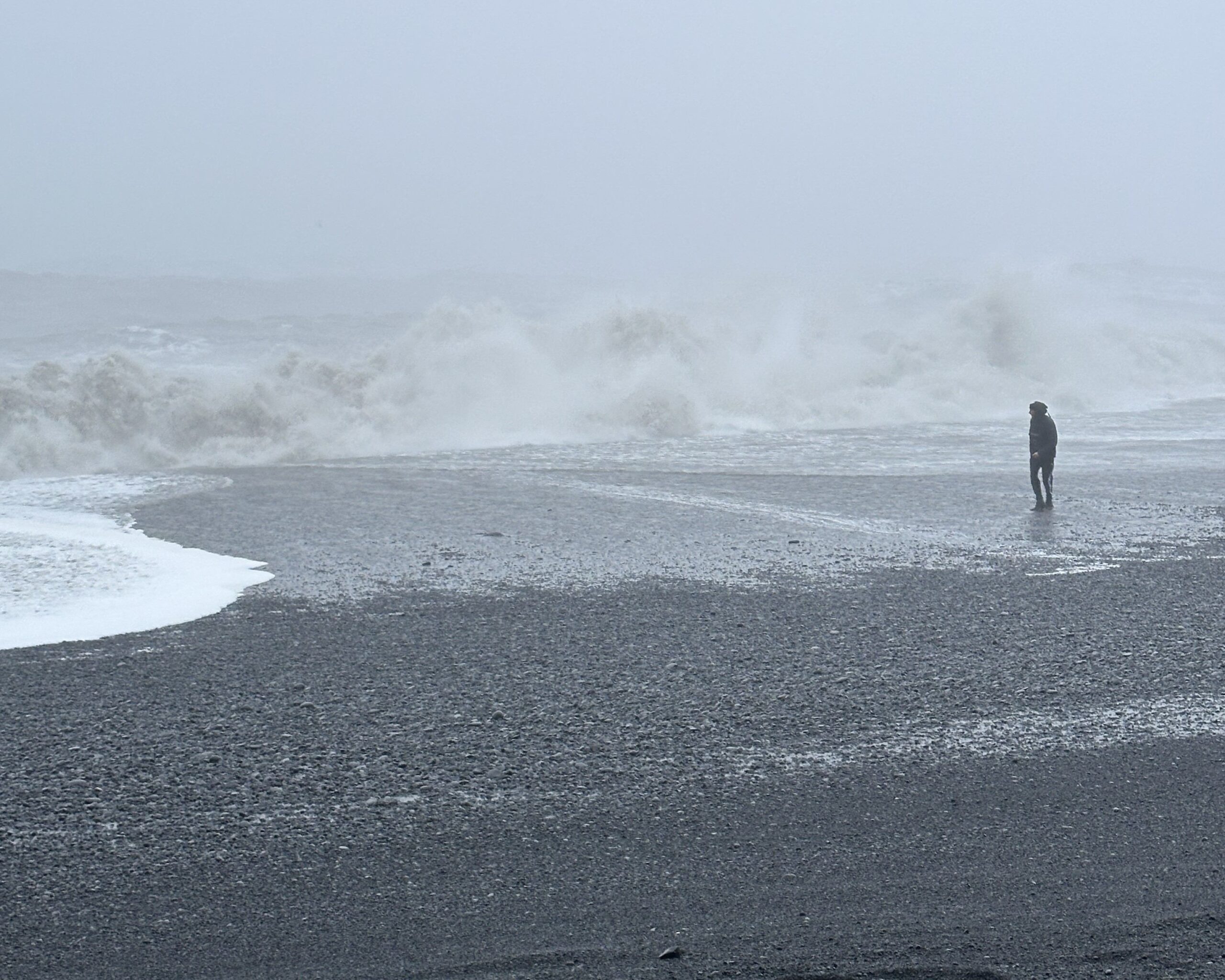
Reynisfjara Black Sand Beach is full of sneaker waves.
Sneaker waves are unusually large coastal waves that appear unexpectedly, and often suddenly come a lot further up the beach without warning.
They have the ability to knock people off their feet and drag them into the water without warning, causing people to get in trouble in the water due to temperatures or rip currents.
A number of people, primarily tourists, have lost their lives after being dragged out to sea.
Still, a number of people choose to play with their lives by playing ‘chicken’ and running up to the waves to then run away. You’ll likely see people risking their lives to also try and get an Instagram shot. My advice is, don’t be like these people. Not only will everyone else think you’re an absolute idiot, but you’ll seriously be playing with your life.
How to visit Reynisfjara safely?
While a lot of this is simply common sense, there are a few useful tips to know before you visit Reynisfjara Black Sand Beach:
Read the warning signs at the entrance
The warning signs discuss the dangers of the beach and advise you on how to behave. The beach did not have any kind of lifeguard when I visited, so reading these signs is vital.
Stand an extra 10ft back from where you see the waves crashing up to
This was a tip that the guide I was with gave everyone in my group before we entered the beach, and I understand why. The waves are BIG and strong, and while they generally looked like they were crashing roughly the same length up the beach every time, there was a couple of instances where they suddenly came up a lot further.
This is why it’s so important to be sensible, as I witnessed a lot of people suddenly fearing for their lives about being dragged out.
Never turn your back on the waves
Another tip I was given was to never turn your back to the waves, this way you’ll always see where they are. Turning your back on the waves risks you being caught off guard and dragged out to shore if the waves do happen to sneak up on you.
Go with a local guide
If you want tips from a local who knows the area well, consider booking onto a guided tour. Not only are the guides full of knowledge that you’d otherwise miss out on if you were navigating this yourself, but they’ll offer plenty of warnings and safety tips before entering the beach.
Of course, the downside to this is that you’re generally on a time limit and following a schedule, but I found that with the tour that I did, I had the perfect length of time at Reynisfjara.
I travelled with Holiday Tours Iceland, who grouped the visit to Reynisfjara with a visit to the town of Vik, multiple waterfalls and a glacier hike which was part of a full-day south coast tour.
There are also plenty of other tour operators offering various tours of the South Coast of Iceland on Get Your Guide and Viator that are worth checking out.
Why is Reynisfjara such a popular beach?
Reynisfjara Black Sand Beach is a popular beach in Iceland as it’s very close to the town of Vik, which is a popular place for people to stay overnight while they’re road-tripping the Ring Road. Reynisfjara is also a common stop on the guided Iceland South Coast Tours, so if you’re not planning to hire your own car, or are basing in Reykjavik and want to explore further afield, consider booking onto an Iceland South Coast Tour.
I recommend this one, which I did with Holiday Tours Iceland. This included a full-day South Coast tour, Reynisfjara, a Glacier Hike and several waterfalls.
However, there are plenty of options depending on the type of tour and activities that you want to do. Check out some of my favourites.
Iceland Guided Tours that Include Reynisfjara:
3. Do a Glacier Hike
It’s no secret that Iceland is home to some of the best hiking routes, so a glacier hike should absolutely be on your Iceland bucket list!
The two most popular Glacier hikes in Iceland are typically Sólheimajökull and Vatnajökull.
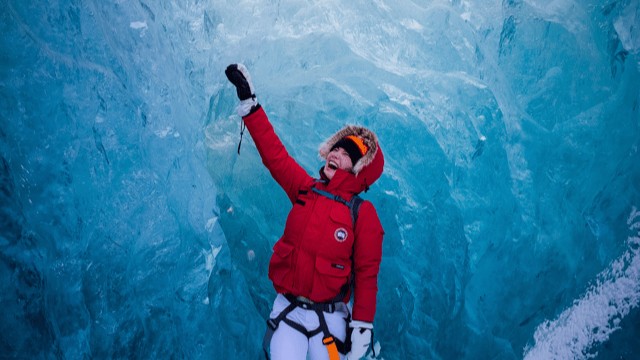
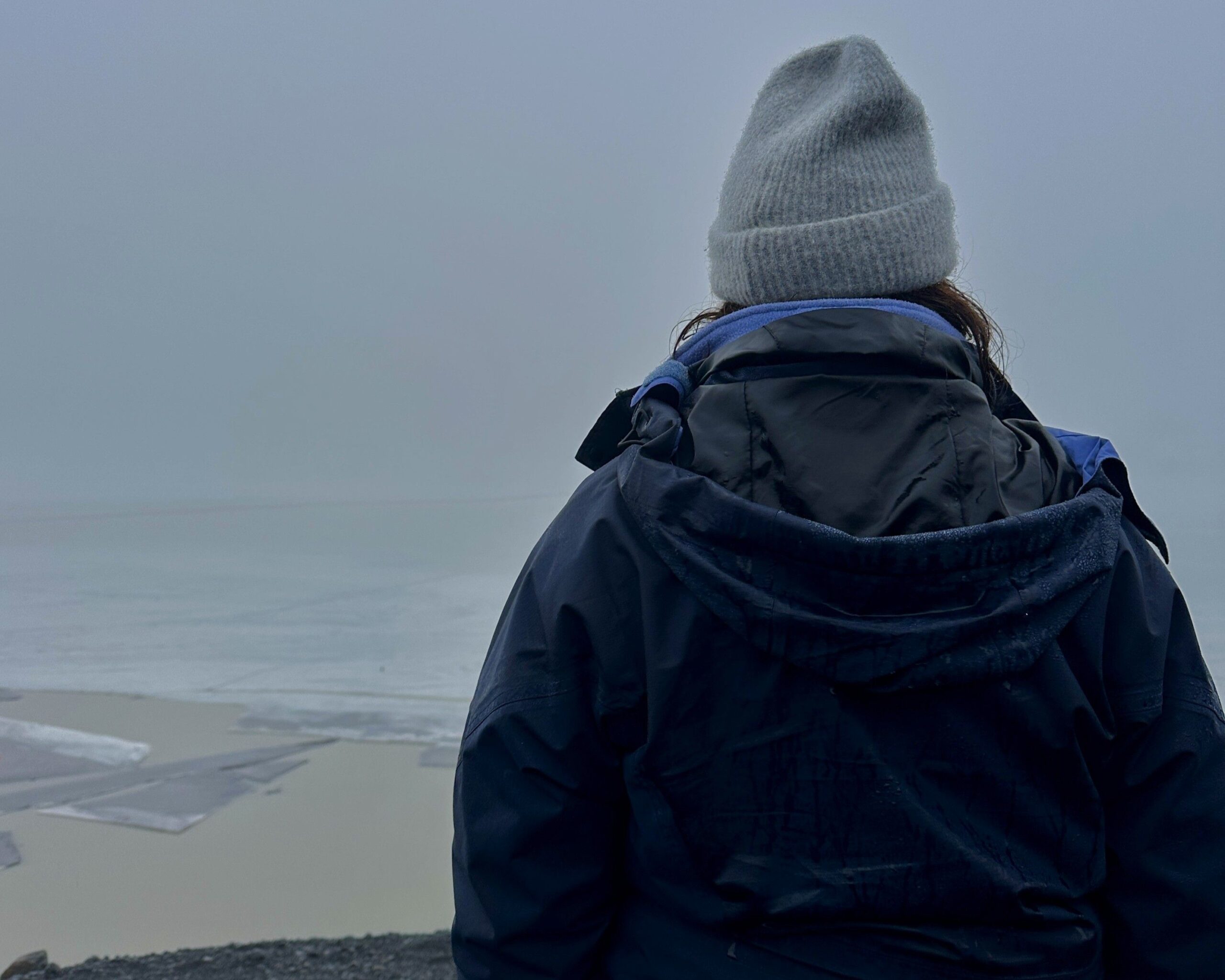
If you’re not a confident hiker, then there are still plenty of beginner friendly options, I can recommend the Sólheimajökull which is an outlet glacier of the larger Mýrdalsjökull ice cap. It provides some breathtaking views; I hiked this in fairly low visibility but thankfully still managed to great some incredible views despite the lingering fog!
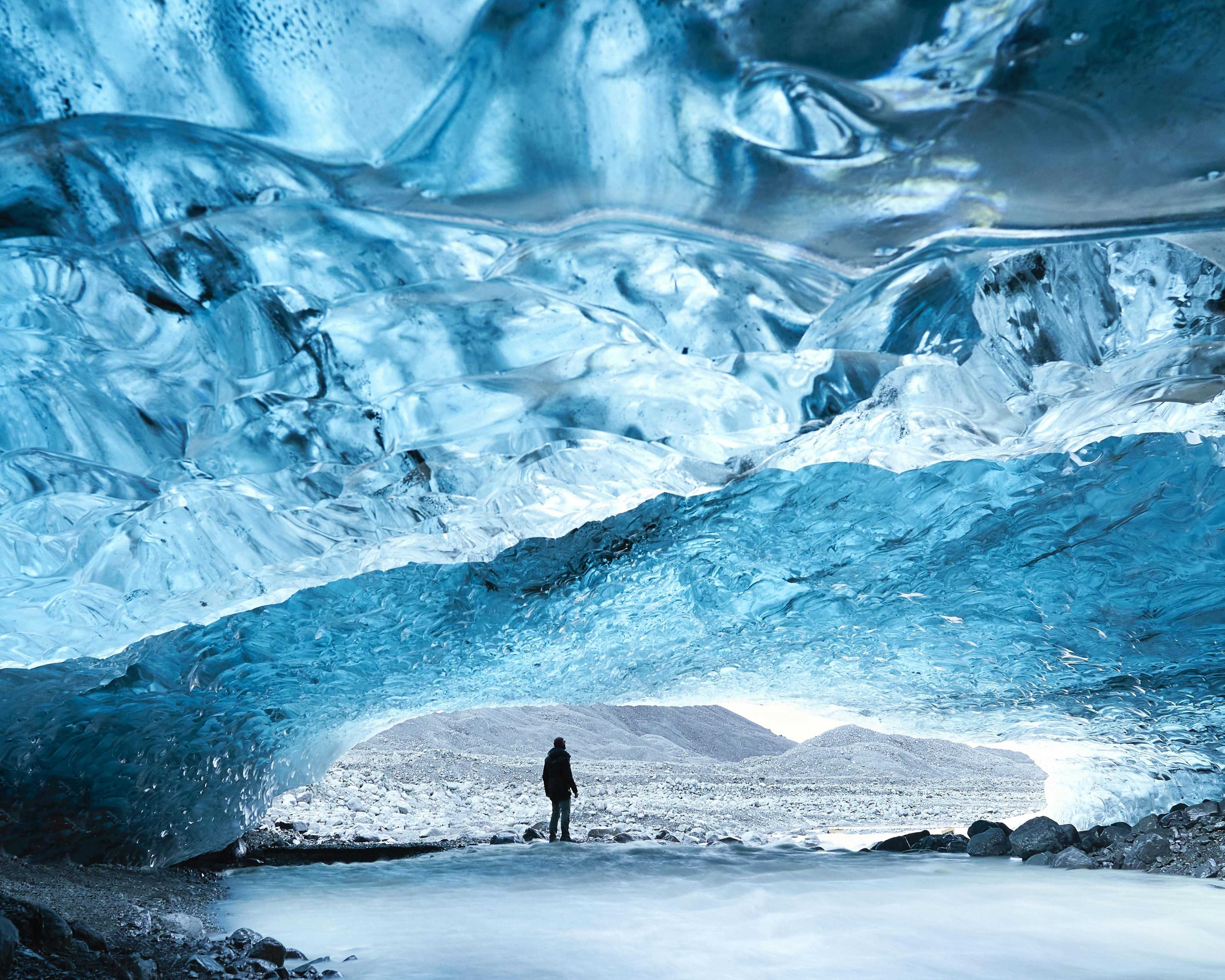
Remember, it’s always recommended to hike these routes with local guides for safety purposes. Iceland weather conditions can vary significantly within a few hours; I experienced this myself during my recent visit.
It’s very common for things such as rockfalls to occur, and your safety should always remain your number one priority.
Always do your research, come prepared with the appropriate gear for hasher weather conditions and go with a local guide.
During my last visit to Iceland, I went on a South Coast tour which involved a Sólheimajökull Glaicer Hike as part of the tour. The tour company was incredible, and I can thoroughly recommend it. Out of all the tours I’ve been on in Iceland, this one was certainly my favourite!
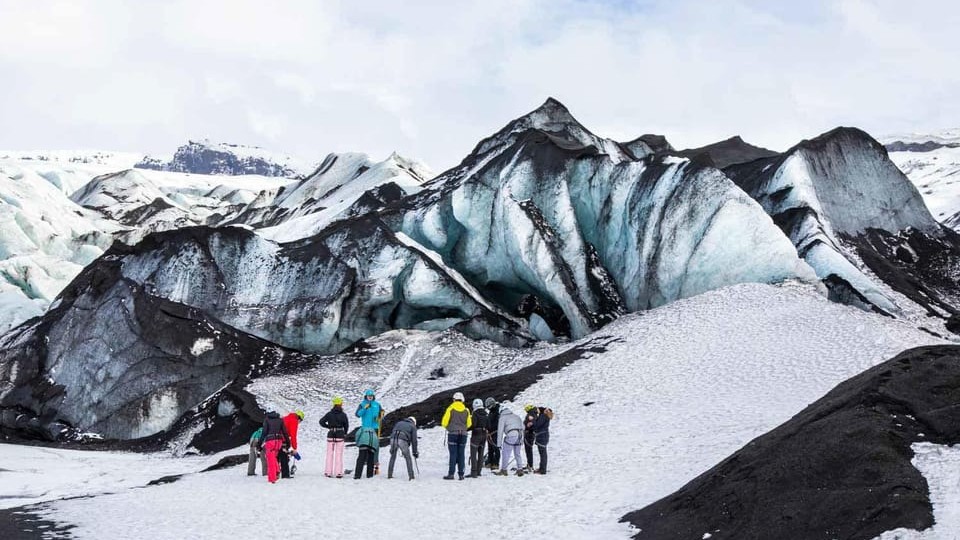
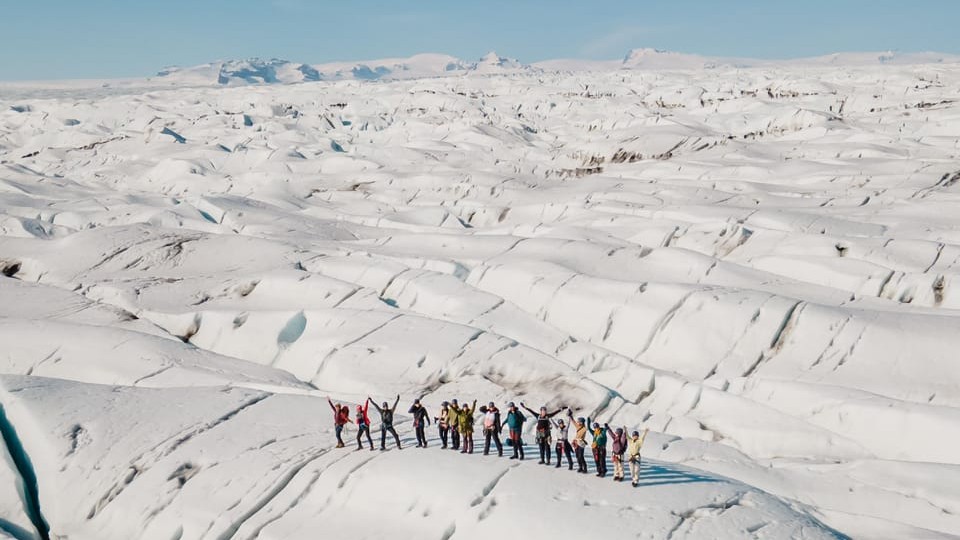
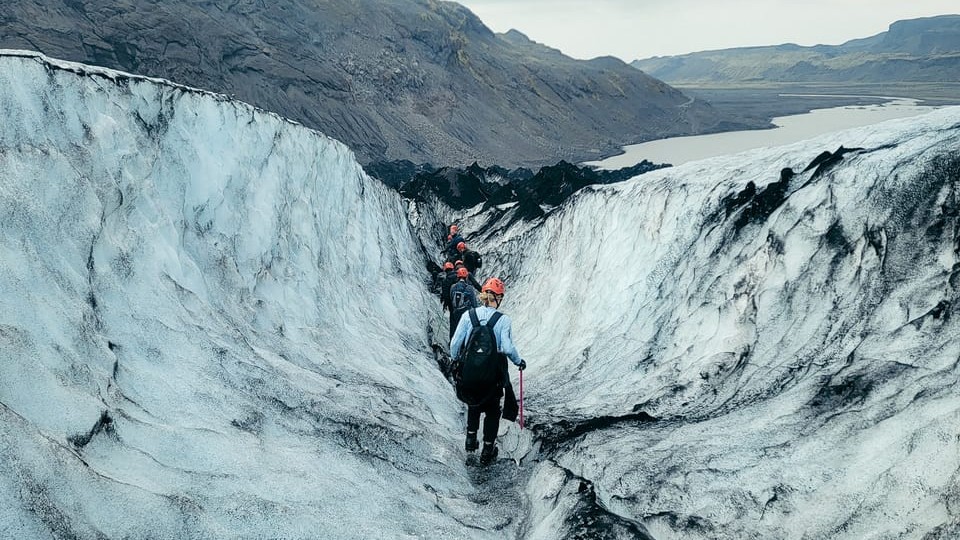
However, the Sólheimajökull glacier is currently melting rapidly, with estimates typically around 60 meters per year. This is due to the warming climate Iceland has been experiencing. There’s a chance this glacier unfortunately won’t be around forever, so if you have the opportunity to visit, you should make the most of it! Remember to always be responsible and respectful when you do visit by cleaning up after yourself and taking any rubbish you might have away with you.
2. Visit a Lagoon or Geothermal Spa
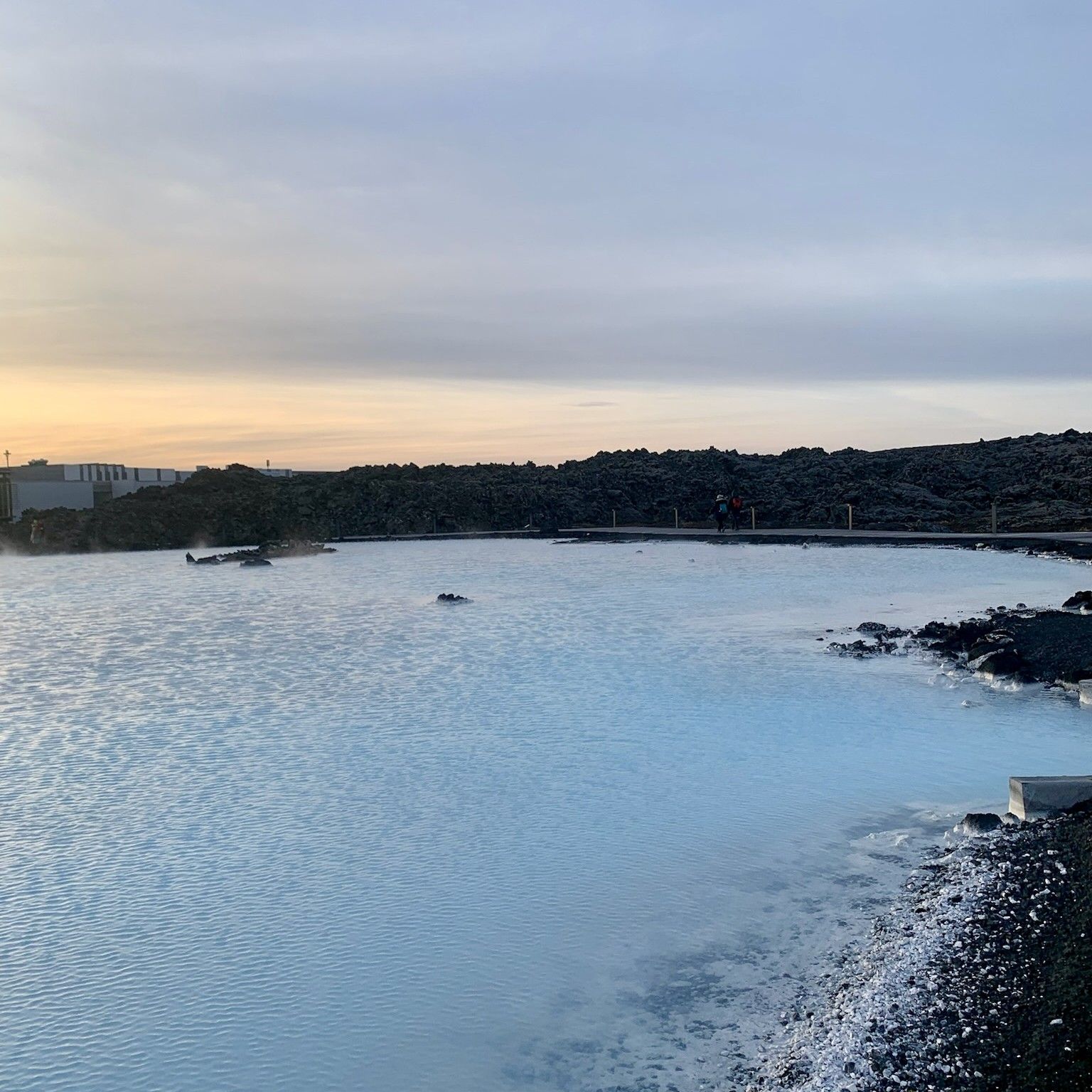
Iceland is full of different Lagoons, with the most well-known being the Blue Lagoon.
Blue Lagoon
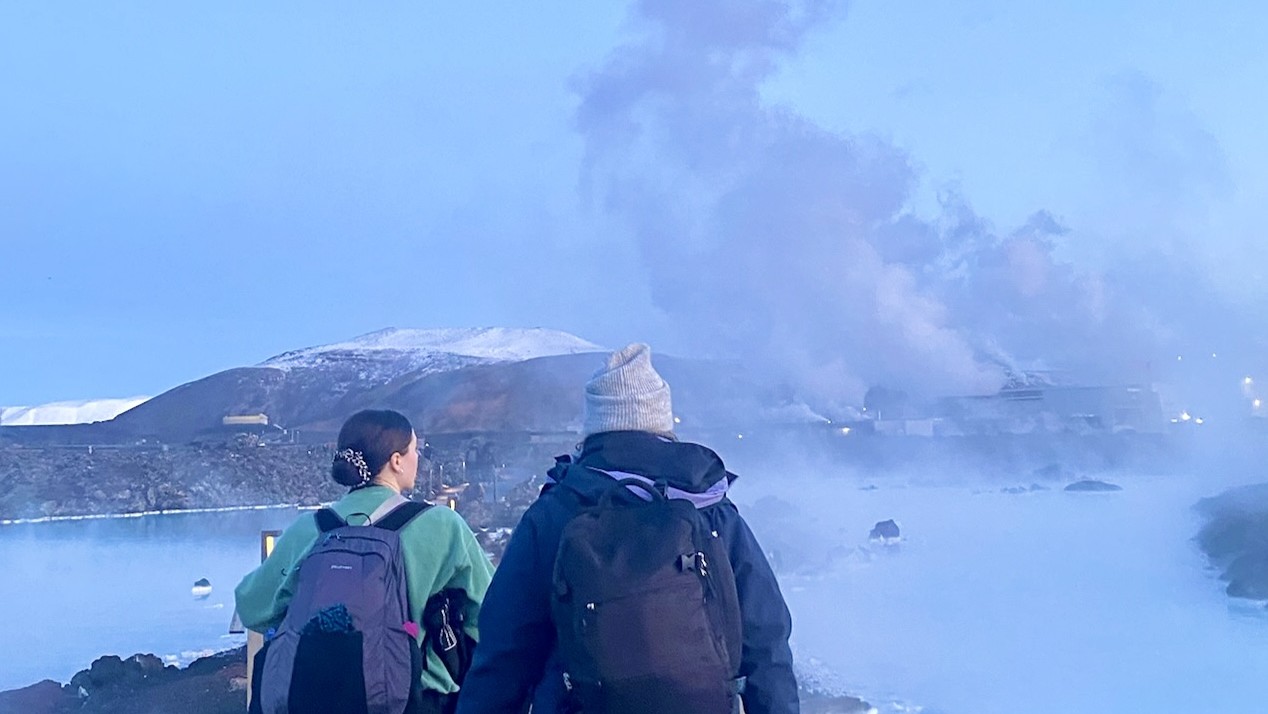
Blue Lagoon is ideal to do right after you land, or before you fly out of Iceland as it’s super close to Keflavík International Airport. Either pick up your hire car and head straight to the Blue Lagoon, or if you’re not renting a car then you can jump on one of the shuttle buses that run between the airport and Blue Lagoon!
Blue Lagoon in Iceland has been named one of the 25 Wonders of the World by National Geographic. This is due to the unique geothermal seawater that the Blue Lagoon has. This water is great for your skin as it’s rich in silica, algae, and minerals. This is one-of-a-kind as this water is found nowhere else on earth!
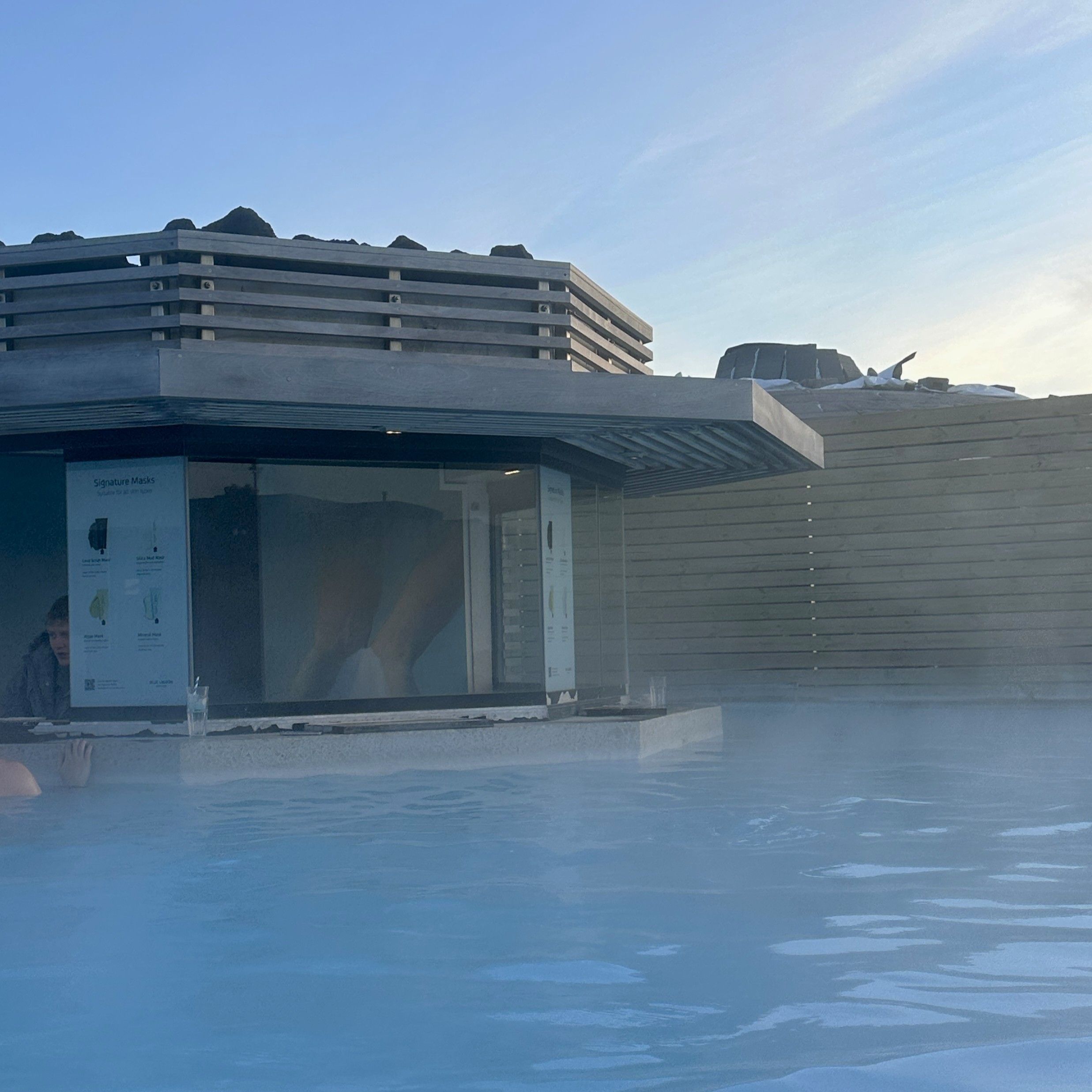
The Blue Lagoon offers different entry packages that vary in price, but the basic package includes entry to the Blue Lagoon, a Silica Mud Mask at the Mask Bar, a complimentary drink (alcoholic or non-alcoholic) from the swim-up-bar and a towel.
You can pay for additional packages that include further masks, drinks, access to robes. Or you can add the price of these on once you arrive by scanning the wristband you’re given upon arrival and paying when you go to leave.
As the Blue Lagoon is the most well-known lagoon in Iceland, it does tend to be busier than other Lagoons. If you’re looking for something similar but quieter, then you might want to check out some of the following options, which are dotted across Iceland.
The Sky Lagoon
The Sky Lagoon is located in Kópavogur, just outside of Reykjavík and is known for its famous Seven Step Ritual.
The Seven Step Ritual includes a geothermal lagoon, cold plunge pool, sauna, a cold mist room, a cleansing sea salt body scrub, a steam room, and finishing off with an Elixir health shot.
The Sky Lagoon is a modern-style geothermal spa in Iceland, combining a classic and immersive spa experiences with the Icelandic tradition of hot-springs bathing.
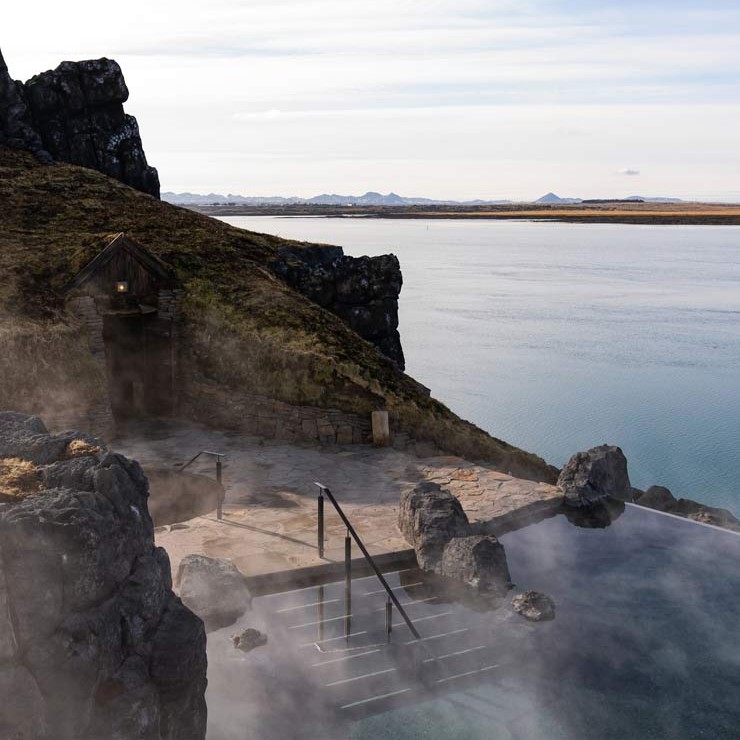
Sky Lagoon Cold Plunge Pool, Image from: www.skylagoon.com
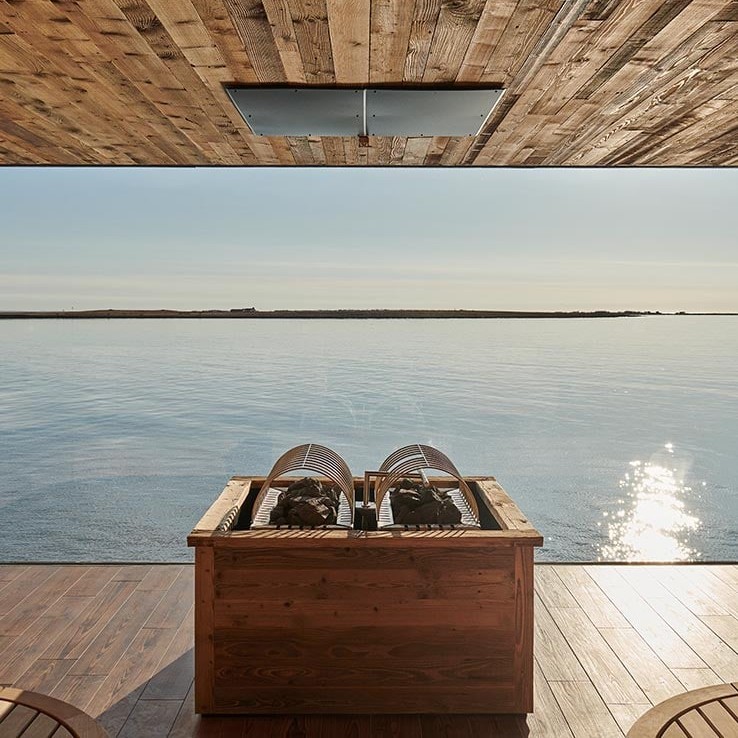
Sky Lagoon Sauna with Ocean View, image from: www.skylagoon.com
The Forest Lagoon
Iceland’s Forest Lagoon is located in Akureyri in Northern Iceland. The Forest Lagoon overlooks one of Iceland's longest fjords, Eyjafjörður and is set in the Vaðlaskógur forest.
The Forest Lagoon is home to two main pools, with the larger pool having two swim-up bars, a sauna and a cold plunge pool.
There are plenty of other spas and thermal baths located all over Iceland – view my full list and guide to thermal baths in Iceland here.
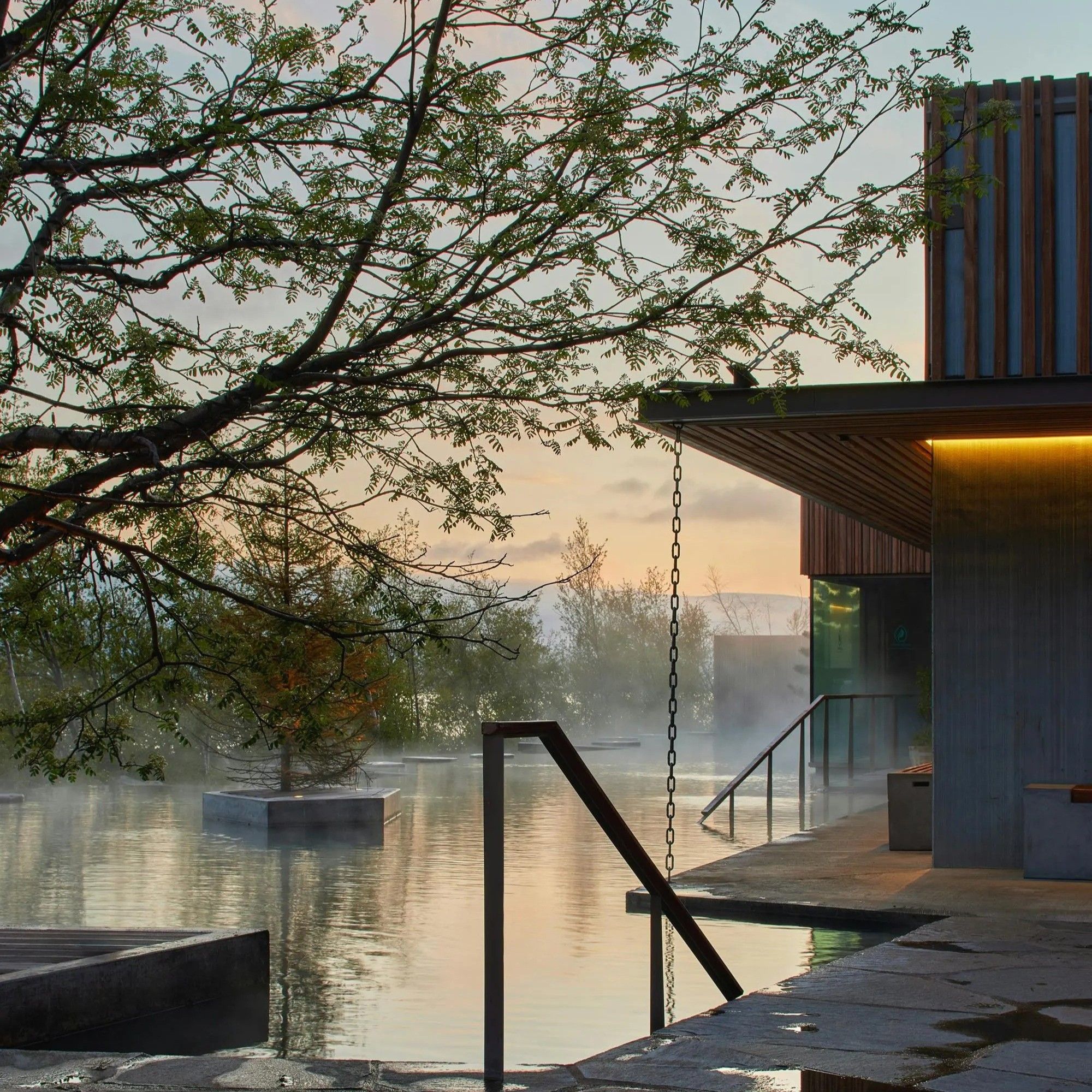
Forest Lagoon, Iceland. Image from: www.forestlagoon.is/
1. Kvernufoss Waterfall
Kvernufoss Waterfall is something that should be on everyone’s Iceland bucket list! This was by far my favourite experience when I visited Iceland!
If you’re considering a trip to Iceland, you’ve probably already heard of the much more famous Skógafoss Waterfall, which is often voted the most beautiful waterfall in Iceland.
While Skógafoss certainly is beautiful and well worth the visit, Kvernufoss (which is much more unspoilt, a lot quieter and in my opinion a lot more impressive), is just is a short walk, or an even shorter 2 minute drive away from Skógafoss!
If you’re already intending to visit Skógafoss, then Kvernufoss should definitely be added to your list as well! There is a short but beautiful walk through a gorge to get there, and in the summer months it is possible to walk behind the waterfall!
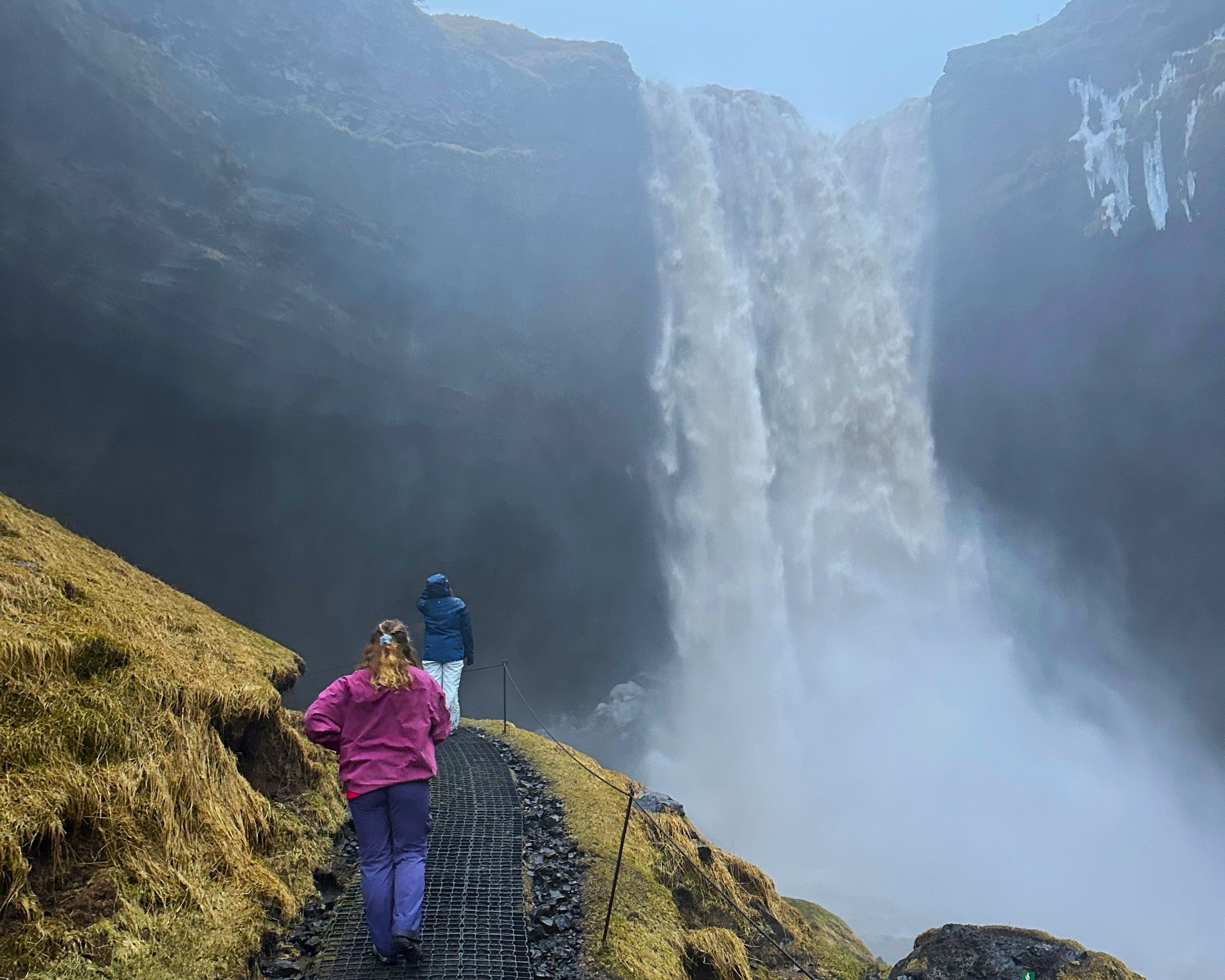
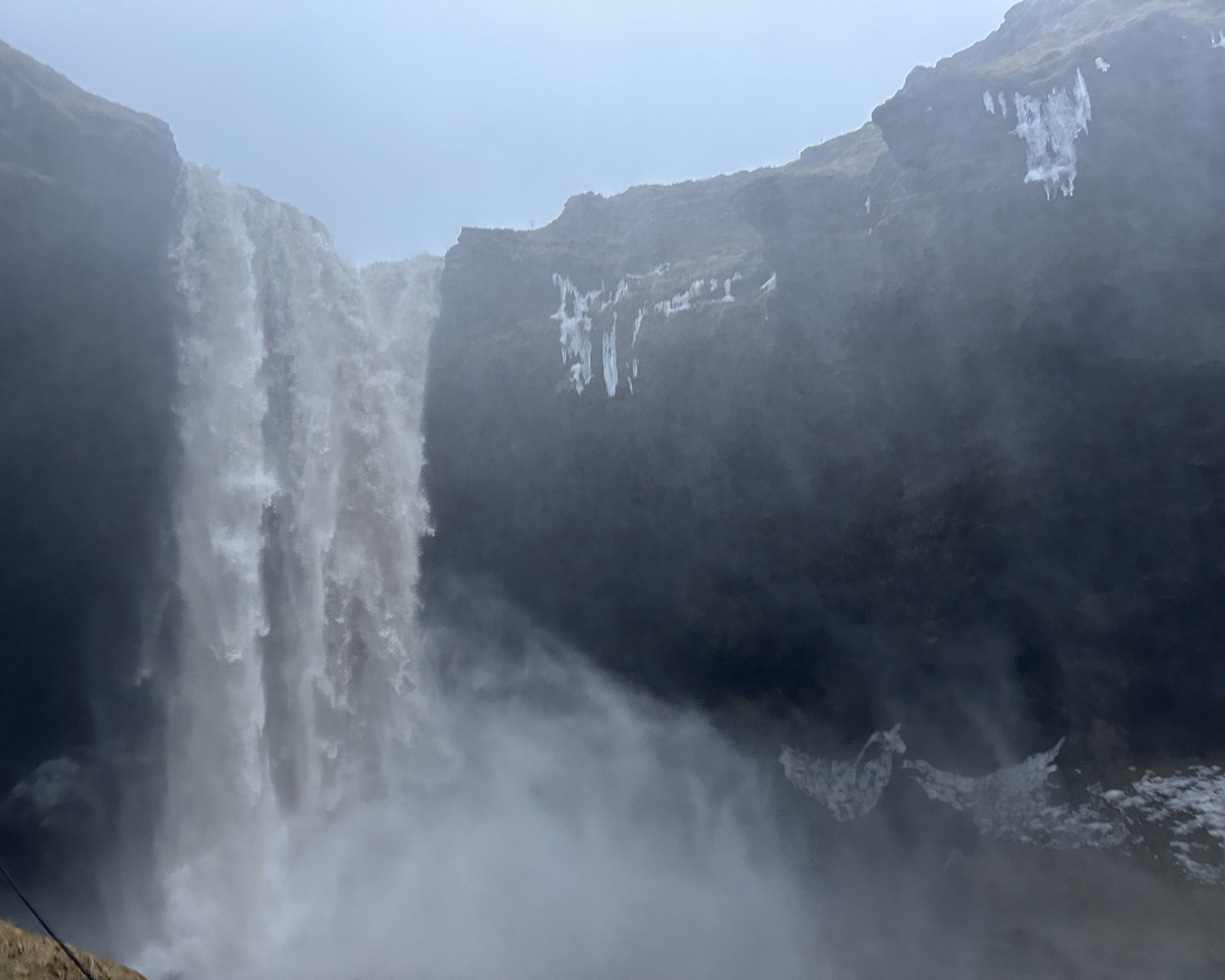
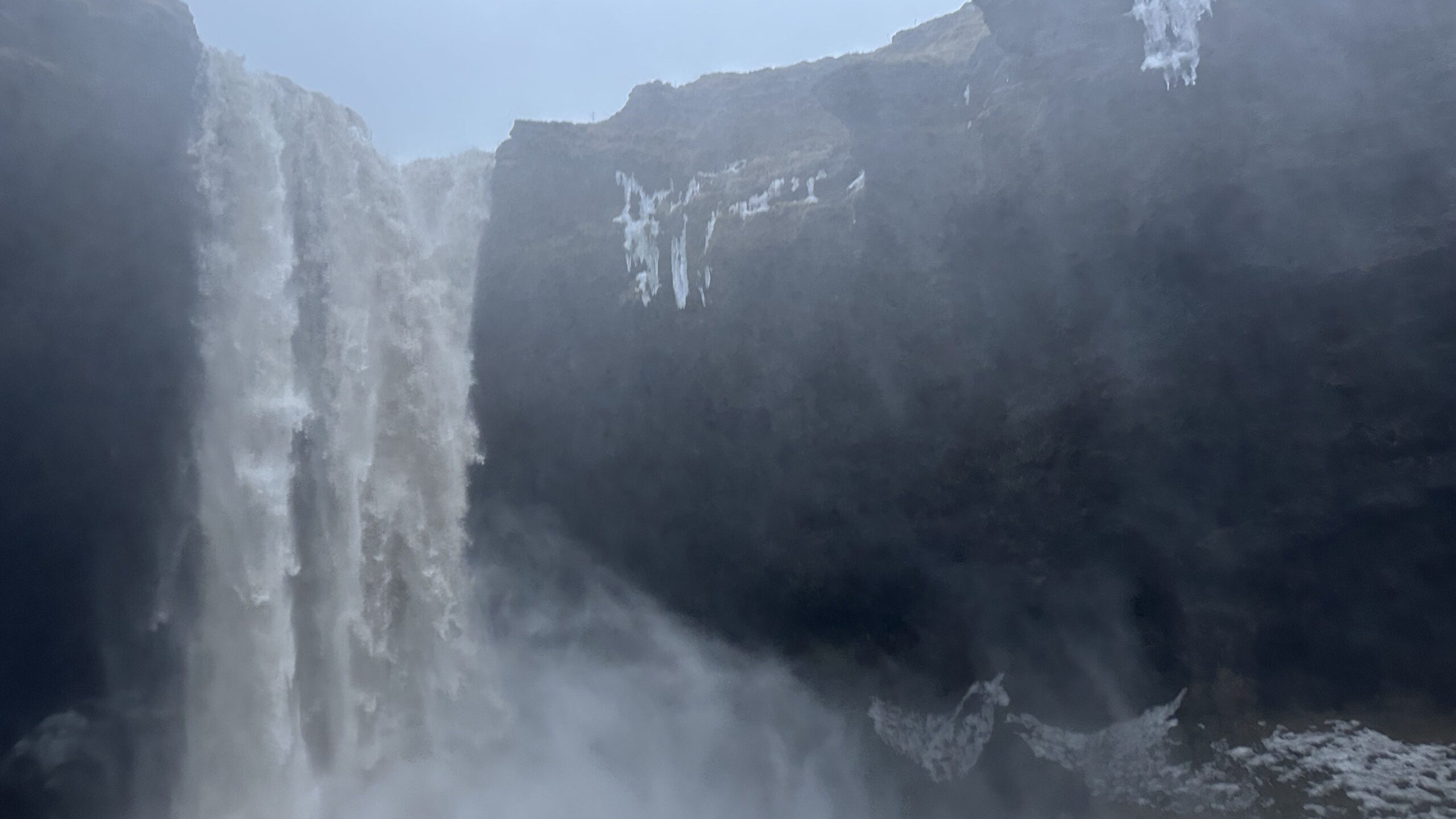
When I visited, we had the place to ourselves! We spent so much time here admiring the falls. It was truly a breathtaking experience. I actually visited Kvernufoss first, and then visited Skógafoss, as I thought Skógafoss would be much more impressive. I actually wish I’d done this the other way around as I found Kvernufoss way more breathtaking.
These pictures are from my visit during Winter, and it’s safe to say I’ll certainly be back to visit during Summer to experience it again in a different season!
Iceland Travel Bucket List FAQ
What not to miss in Iceland?
In Iceland, you need to visit one of the famous geothermal baths, such as the Blue Lagoon, Forest Lagoon or Sky Lagoon. If you're visiting between September and April, you need to try to spot the northern lights! Make sure to add a glacier hike and some of the incredible waterfalls, such as Kvernufoss and Skogafoss to your list!
What is so special about the Blue Lagoon in Iceland?
The Blue Lagoon is considered one of the 25 Wonders of the World by National Geographic. While Iceland has many geothermal pools and lagoons, the Blue Lagoon's water is unique in the sense that it is specifically run from a geothermal power plant, which is enriched with silica, algae, and minerals, which contribute to its distinctive blue colour.
What I wish I knew before visiting Iceland?
Iceland has many activities that are seasonal, so if seeing the northern lights is on your bucket list then you'll need to plan your visit between September and April. Make sure to research the best times to do the activities you want. The weather can also be unpredictable, so always pack layers and waterproofs regardless of when you visit.
How many days in Iceland is enough?
5 days is enough to see many of Icelands highlights. But to complete the full ring road, it's best to spend 8 -14 days exploring Iceland, depending on how many places you want to see. If you want to pack your days full, then 3 full days in Iceland is enough to cover some bucket list sights such as the Blue Lagoon, Reykjavik, The Golden Circle, and a South Coast tour with waterfalls and glacier hiking.