
When is the best time to visit Iceland?
Iceland is a beautiful country, regardless of when you visit. But it also comes with a lot of seasonal activities. So, timing your trip is essential if you have certain things on your bucket list that you want to experience while in Iceland.
The best time to visit Iceland depends on what you want to see, do and experience while you’re there. Summer (June-August) is ideal for outdoor activities like hiking, with long daylight hours and mild weather. Winter (November-March) offers the best chance to see the Northern Lights, with longer nights and potential for snow sports and hot springs.
*This blog may contain affiliate links that earn a commission to help support this free website. All opinions remain my own. Affiliate links featured in my blog posts will never affect the price you pay, except to sometimes provide you with a discount. Learn more
The best things to do in Iceland and when to visit
When to visit Iceland to see the Northern Lights
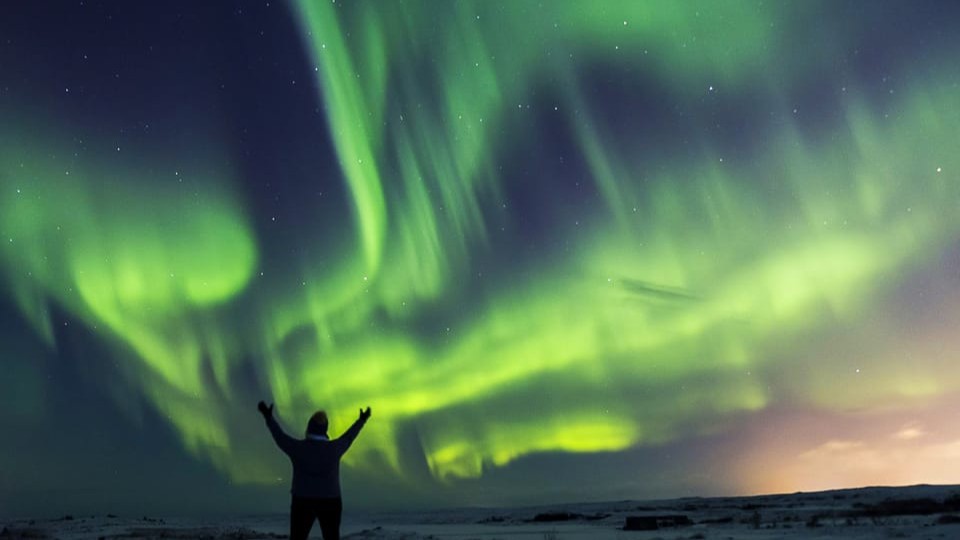
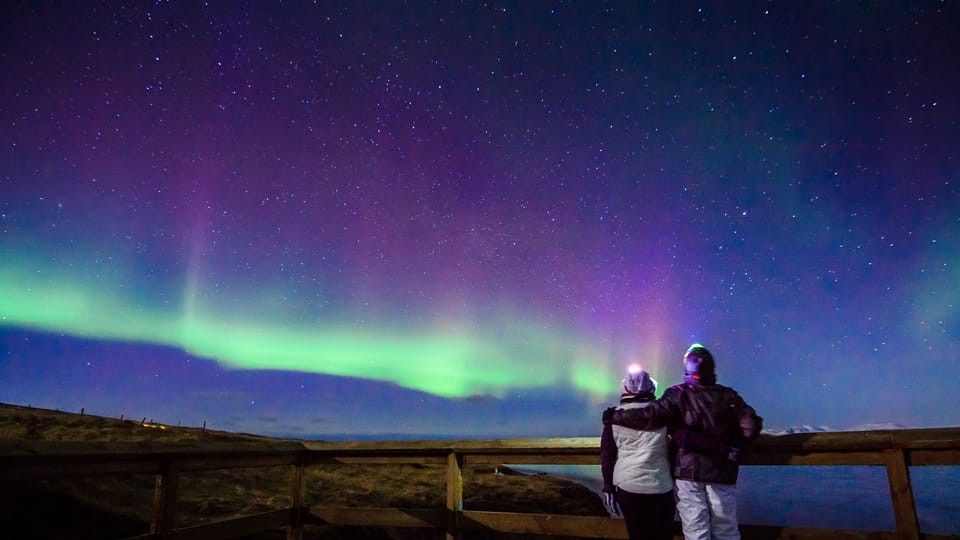
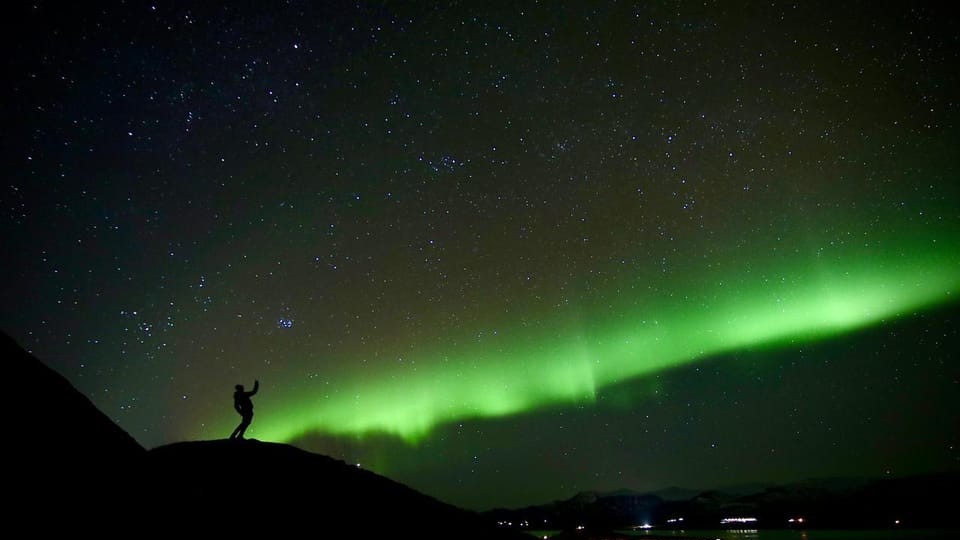
The best time to visit Iceland in order to see the Aurora, also known as the Northern Lights, is between late September and early April.
Specifically, the absolute best chance you have is around the Autumn/ Fall and Spring equinoxes. The Autumn equinox usually occurs around the third week of September, and the Spring equinox generally occurs around the third week of March.
These specific times are often considered particularly good due to increased solar activity. This is because during those periods the Earth tilts in a way that the interplanetary magnetic field can catch more particles coming from the sun, which is how the aurora happens.
The chance of seeing the Aurora also decreases if visibility is low. Often, this can mean that the months of December and January could provide additional challenges when it comes to seeing the Aurora, as these are particularly cloudy months.
You are never guaranteed to see the Aurora when you visit Iceland, so do keep that in mind. But in order to maximise your chances, make sure you visit between late September and early April, and head to low-light pollution and low cloud coverage areas.
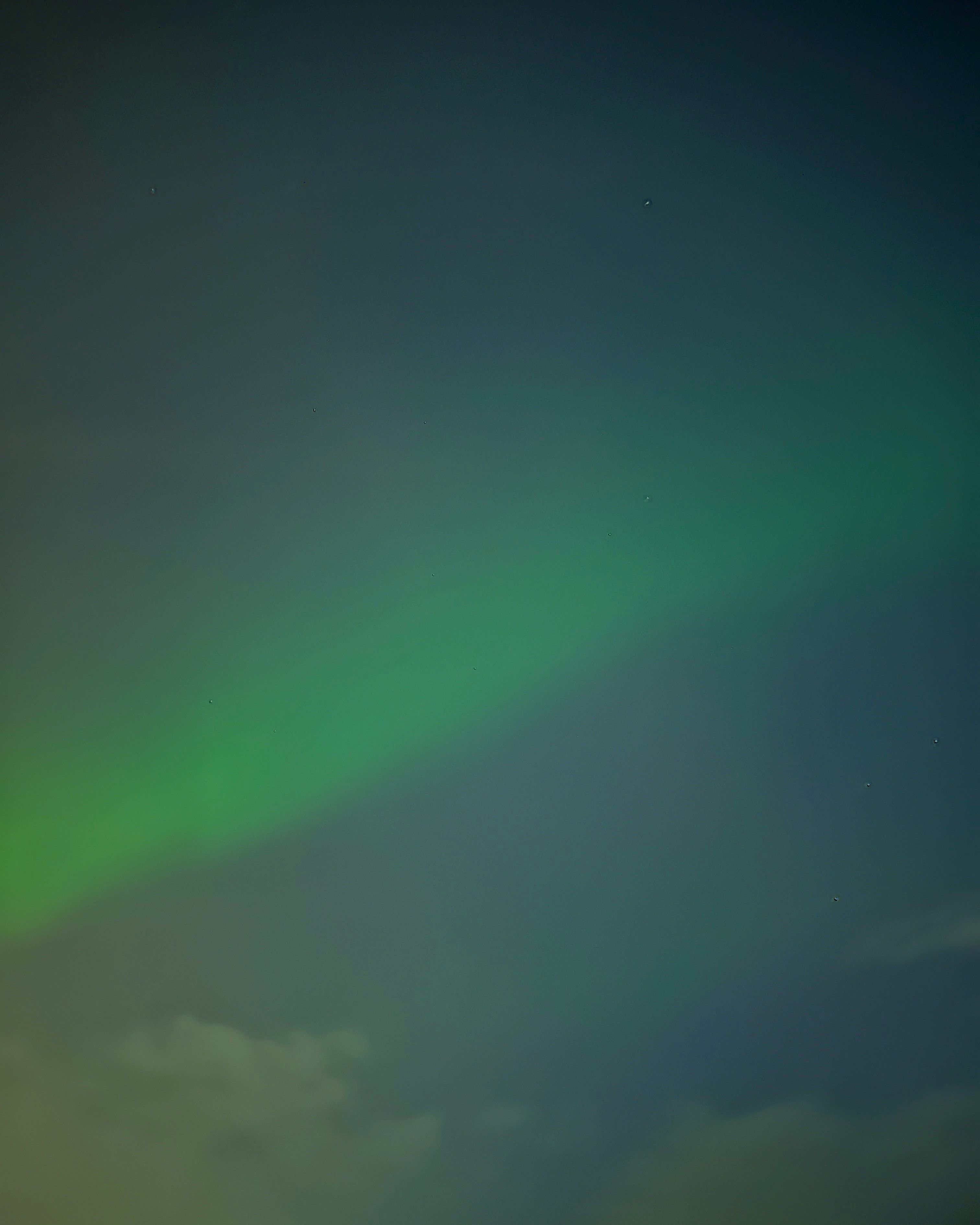
Mild Aurora captured in Reykjavik during the month of December, shot on an iPhone.
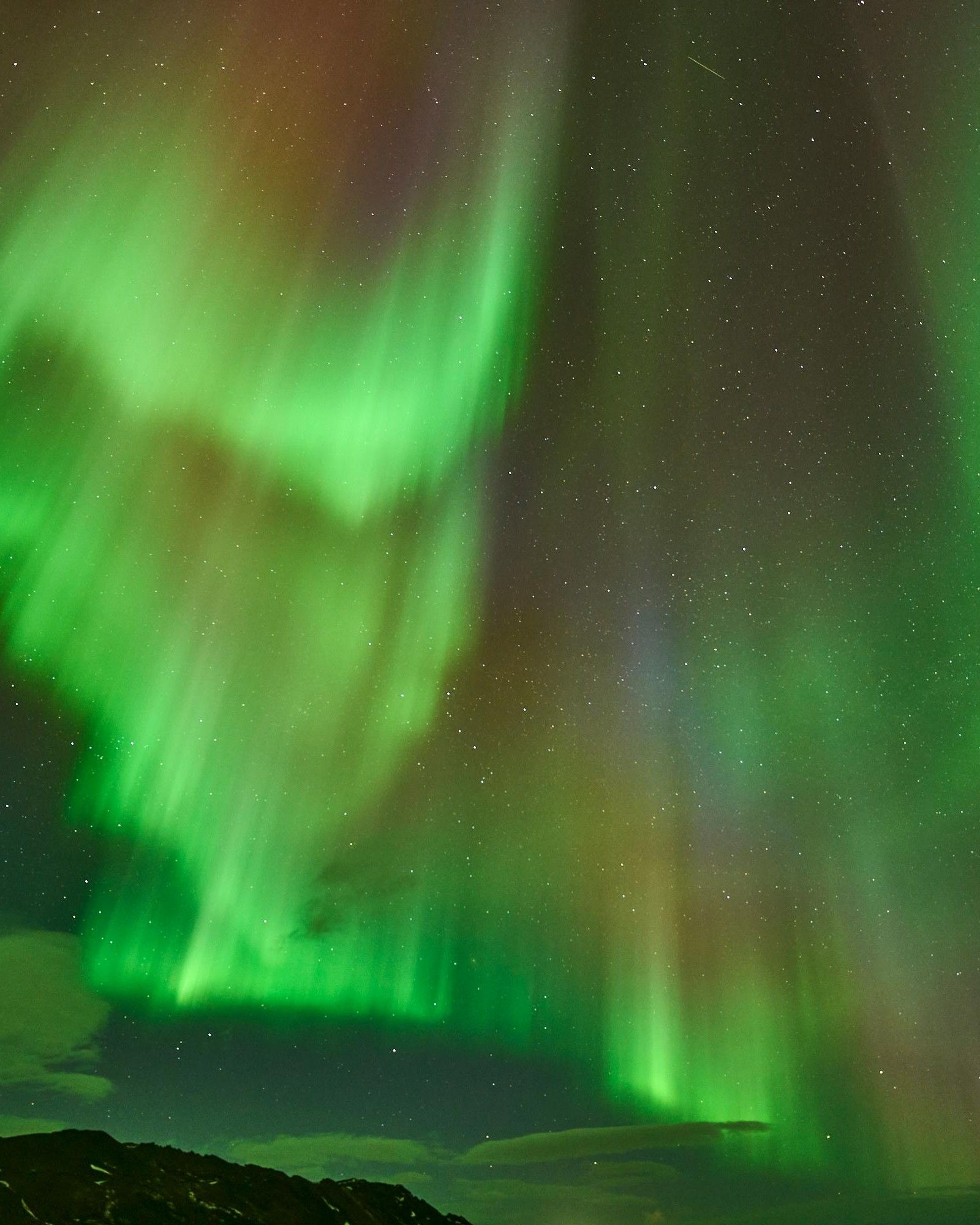
Strong Aurora Borealis over Reykjahlíð, Þingeyjarsveit, Iceland. Captured on ILCE-1 Camera.
Nothern Lights Tours in Iceland
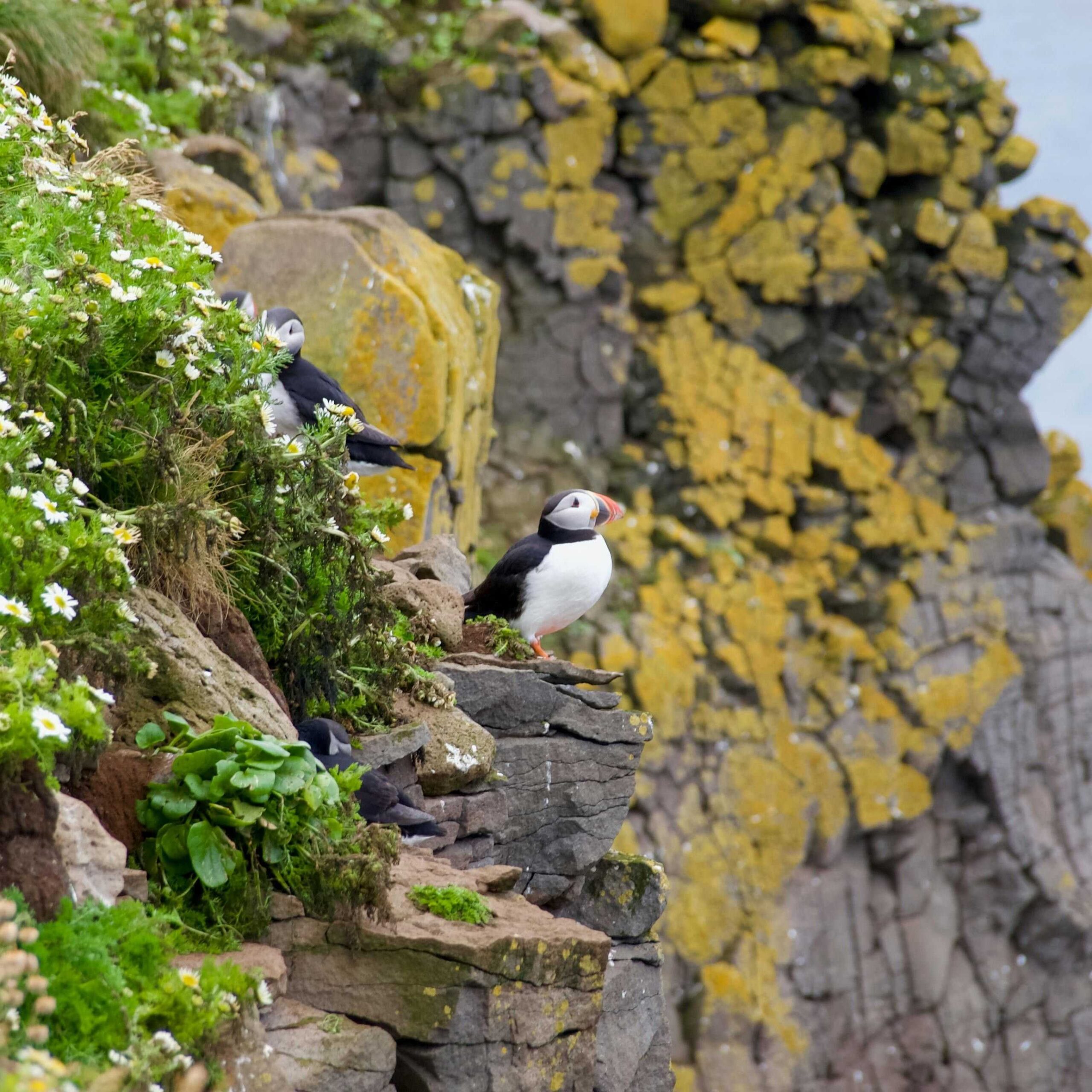
When to visit Iceland to see Puffins
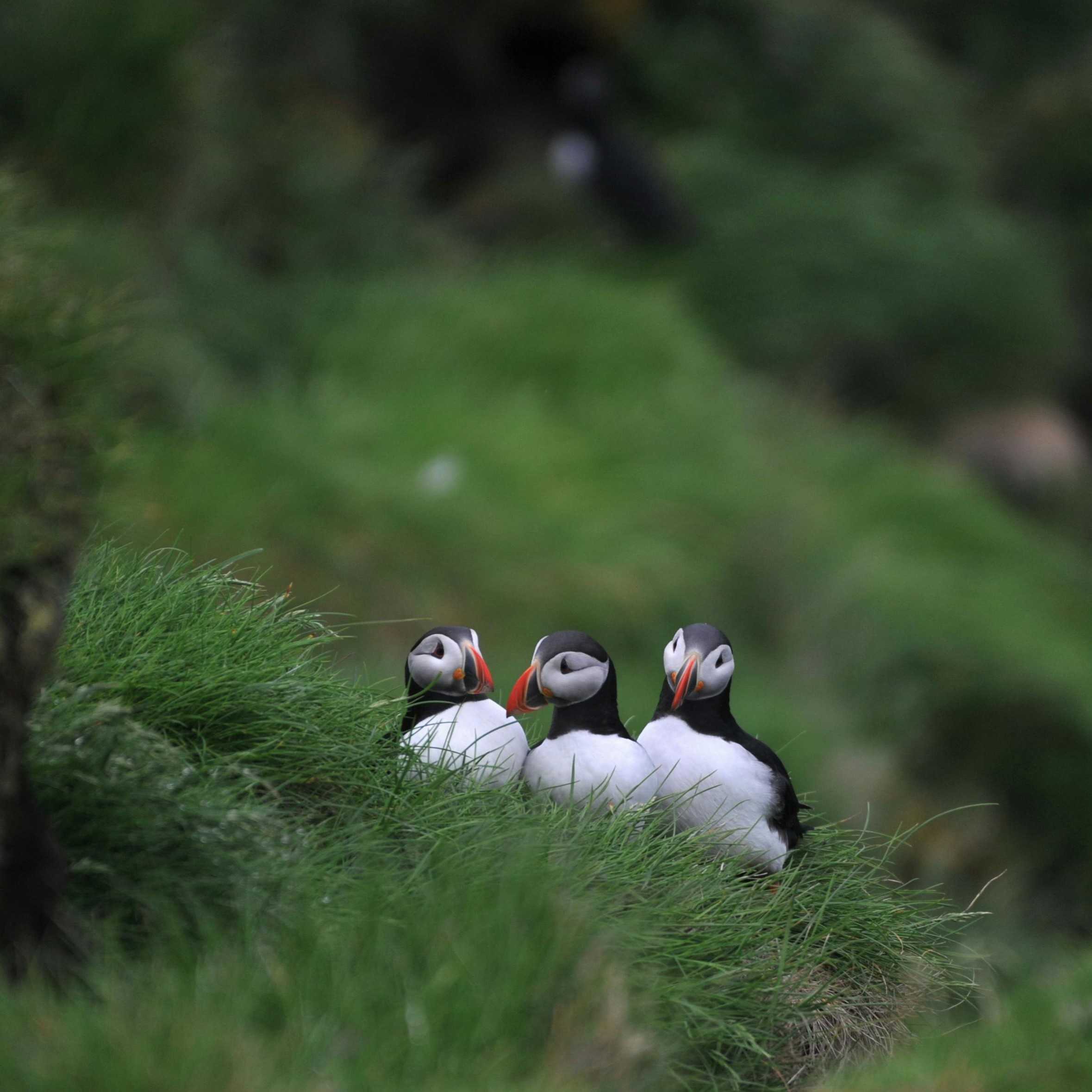
Puffins begin arriving in Iceland in late April for the breeding season. The majority of puffin tours begin in May to ensure better chances of sightings.
Puffins generally begin to depart Iceland in early September, heading back out to sea. The months of May to August are considered the best time to see Puffins. Although you do still have the chance to see them between late April and early September.
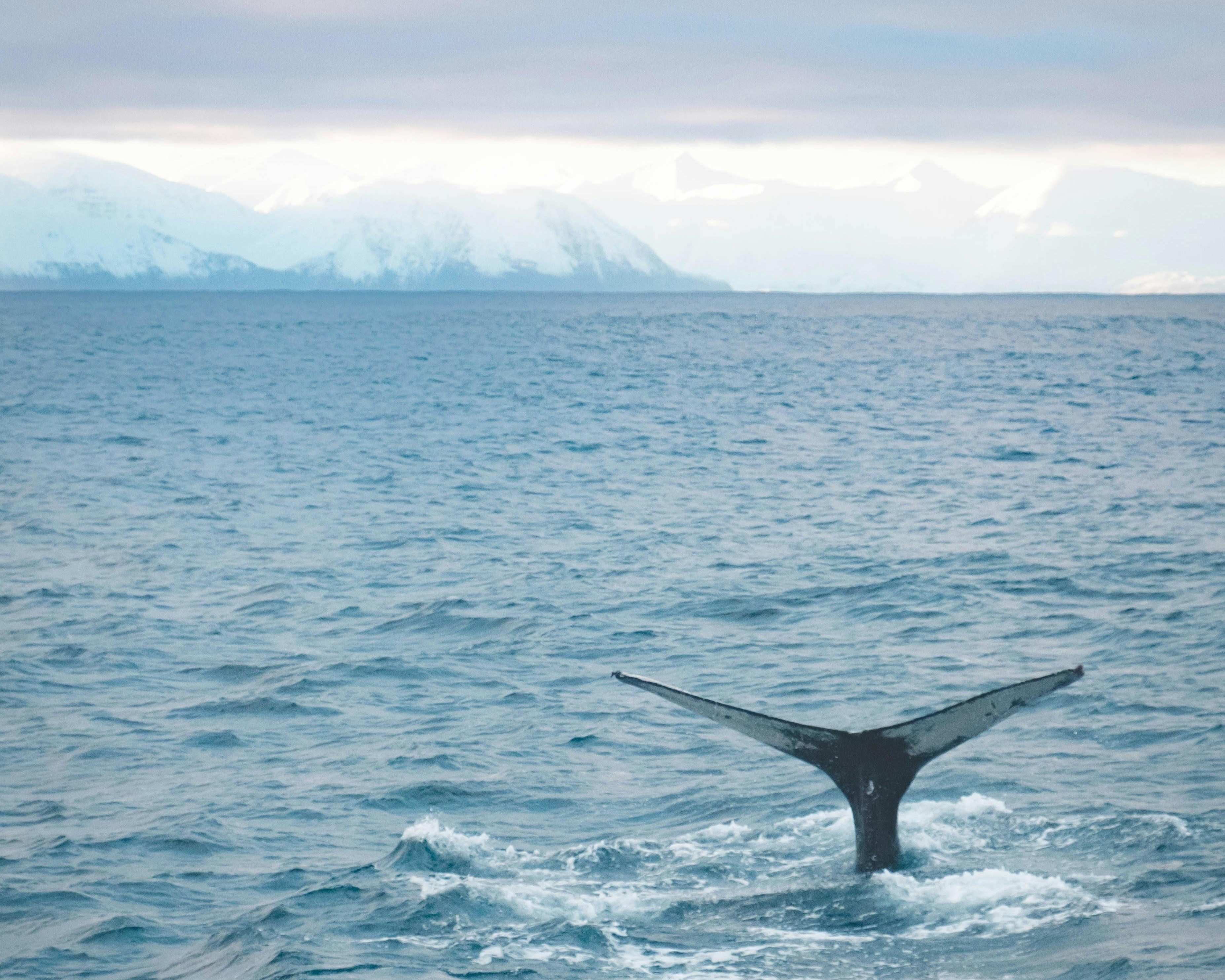
Best time to visit Iceland to go Whale Watching
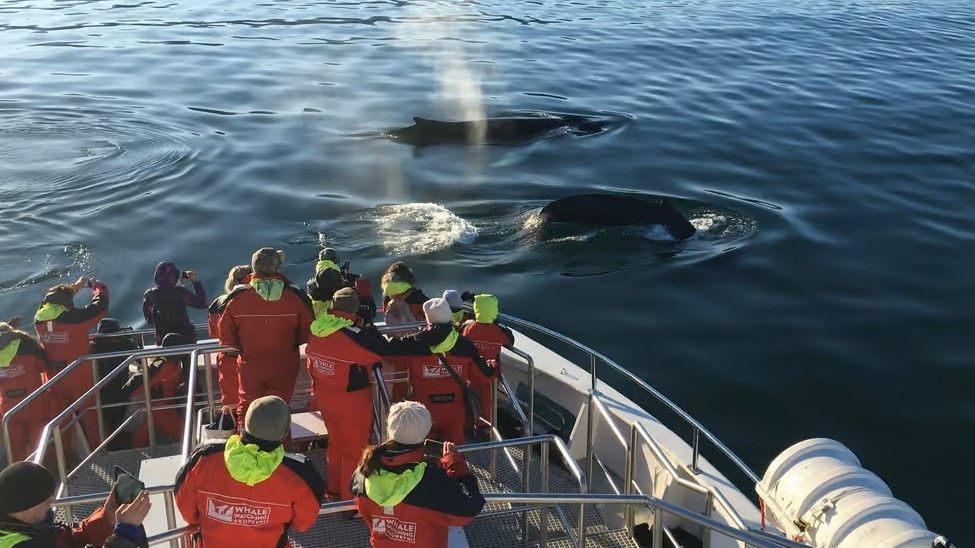
Whale watching is possible all year round in Iceland, but the best time to visit Iceland for whale watching is generally from April to September.
During these months, the weather is milder, so tours are more frequent, and whales are more active due to increased food sources.
Peak season for whale watching in Iceland is from June to August. These months specifically give you the highest chance of whale sightings.
During Winter months (November – March), whale watching is still possible, but your chances of seeing whales does decrease, and tours are less frequent. Weather conditions can also cause tours to get cancelled at the last minute.
However, throughout late Winter and into Spring, you may get the chance to encounter orcas, which are known to be in Icelandic waters during the winter, these are most commonly spotted around the Snæfellsnes peninsula.
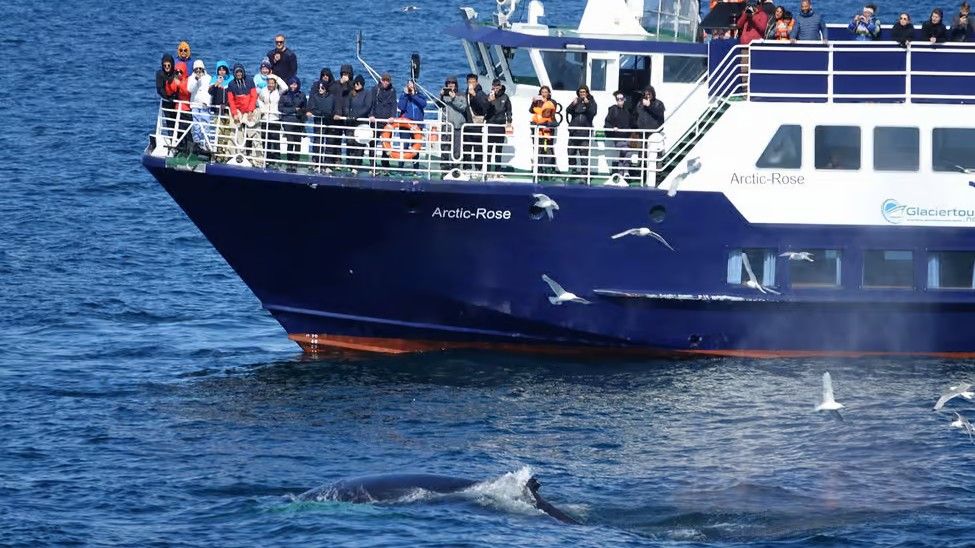
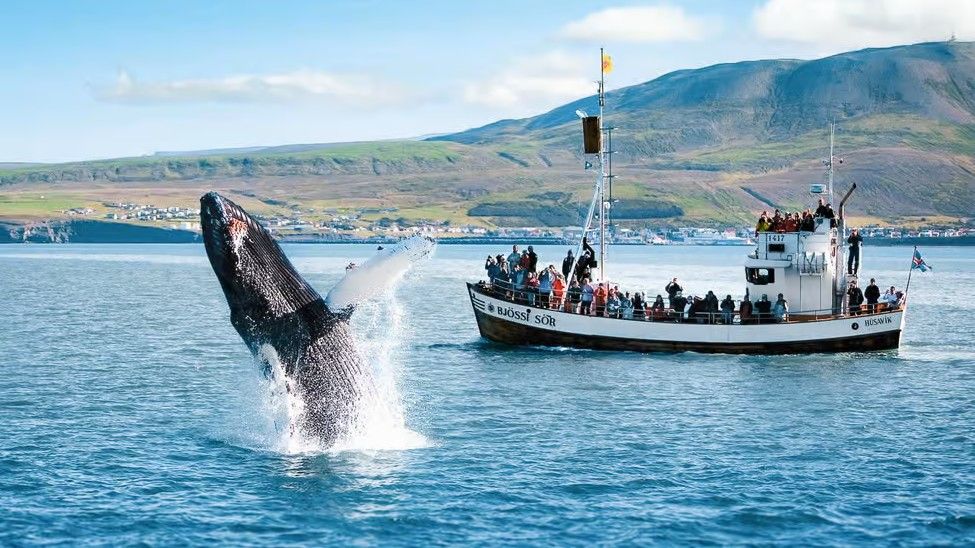
Whale Watching experiences in Iceland
When to visit Iceland for Geothermal Spa's and the Blue Lagoon
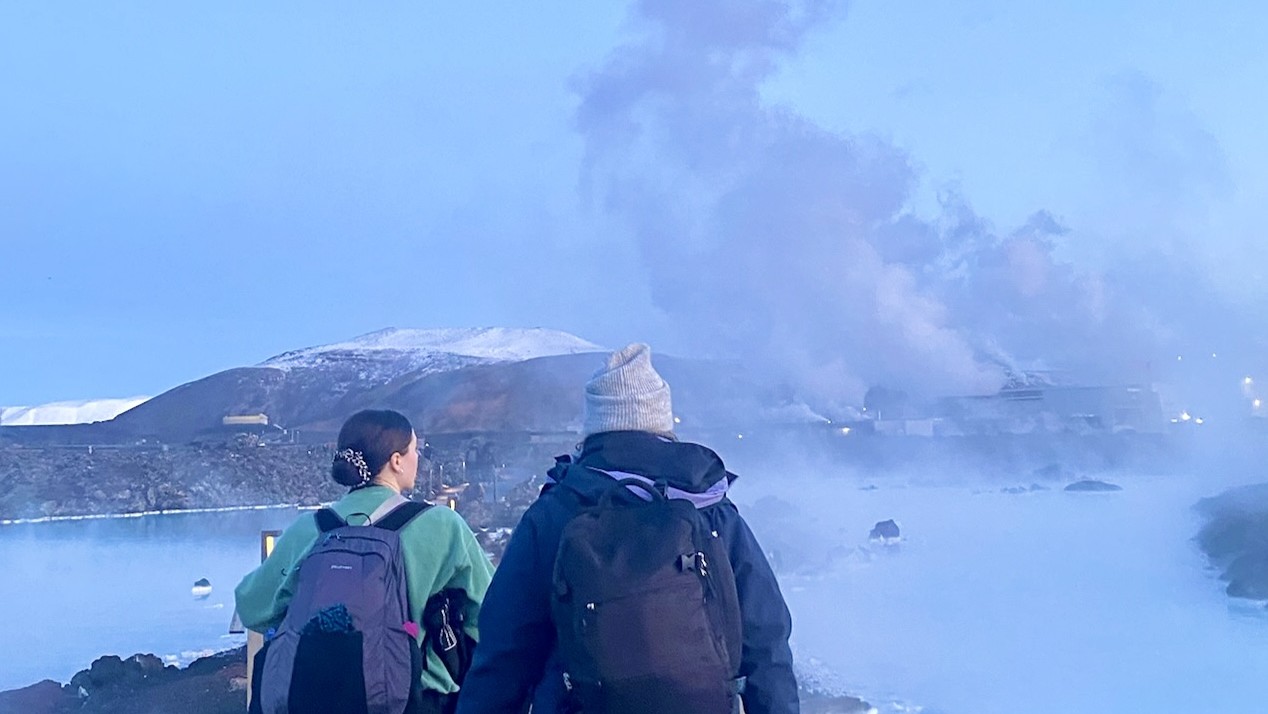
The Blue Lagoon is one of the most popular tourist spots in Iceland. Iceland is home to many geothermal spas and lagoons, which are spread across the country.
While the Blue Lagoon has faced temporary closures as a result of volcanic eruptions. Generally, the geothermal spas in Iceland are open all year round, so you can make the most of your experience regardless of when you visit.
For more information on which Geothermal Spas and Lagoons across Iceland you should visit, check the Iceland Lagoon Guide
When to visit Iceland to experience Midnight Sun
Midnight Sun is a natural phenomenon that only happens in a limited number of places around the world. This experience is where the sun remains visible at midnight. In many cases, the sun will stay up for 24 hours and doesn’t fully set.
To experience Midnight Sun in Iceland, you will need to visit during the summer months, as this phenomenon occurs from roughly mid-May to mid-August.
The most dramatic display occurs around the Summer Solstice, which falls on June 21st. On this day, the sun may not actually set in the northernmost regions at all.
You do have the chance to experience Midnight sun across all regions of Iceland, however, the Northern most part of Iceland will provide you with the best chance of experiencing it to its most extreme.
When to visit Iceland to experience snow
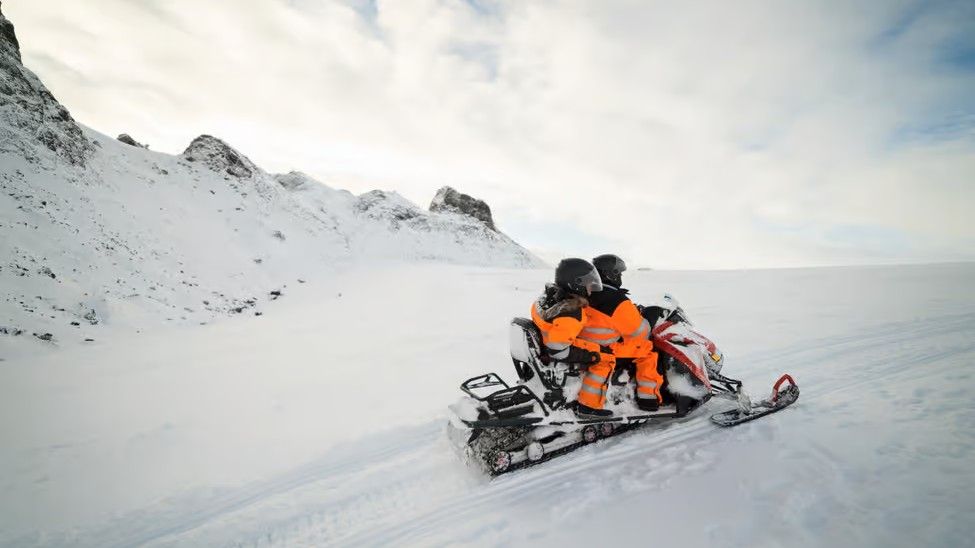
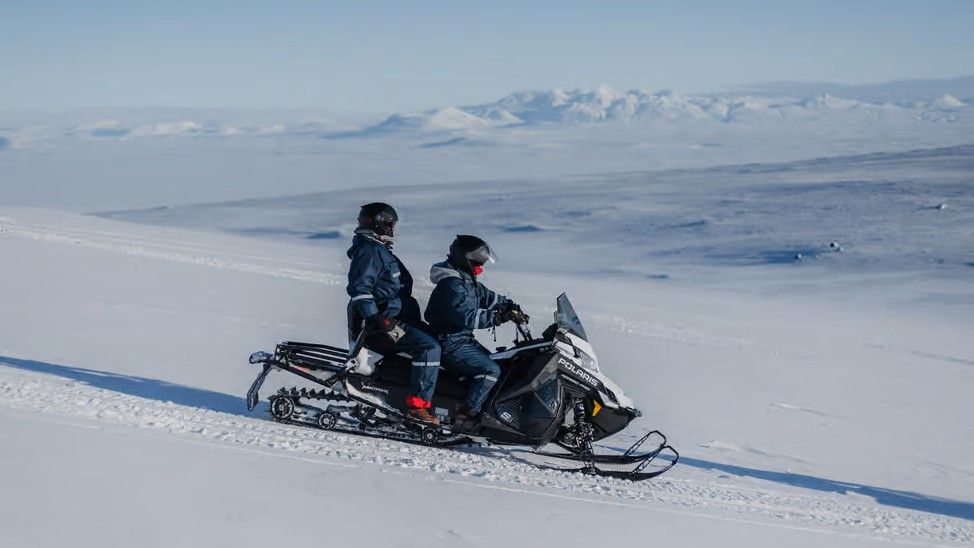
The best time to visit Iceland if you want to experience the country covered in snow is between December and March, although you can experience snowfall outside of these months. Equally, snowfall is not guaranteed if you do visit during these months.
Whether you experience snowfall in Iceland will also depend on where you are in the country, as the northern and eastern regions of Iceland tend to experience more snowfall in comparison to the south.
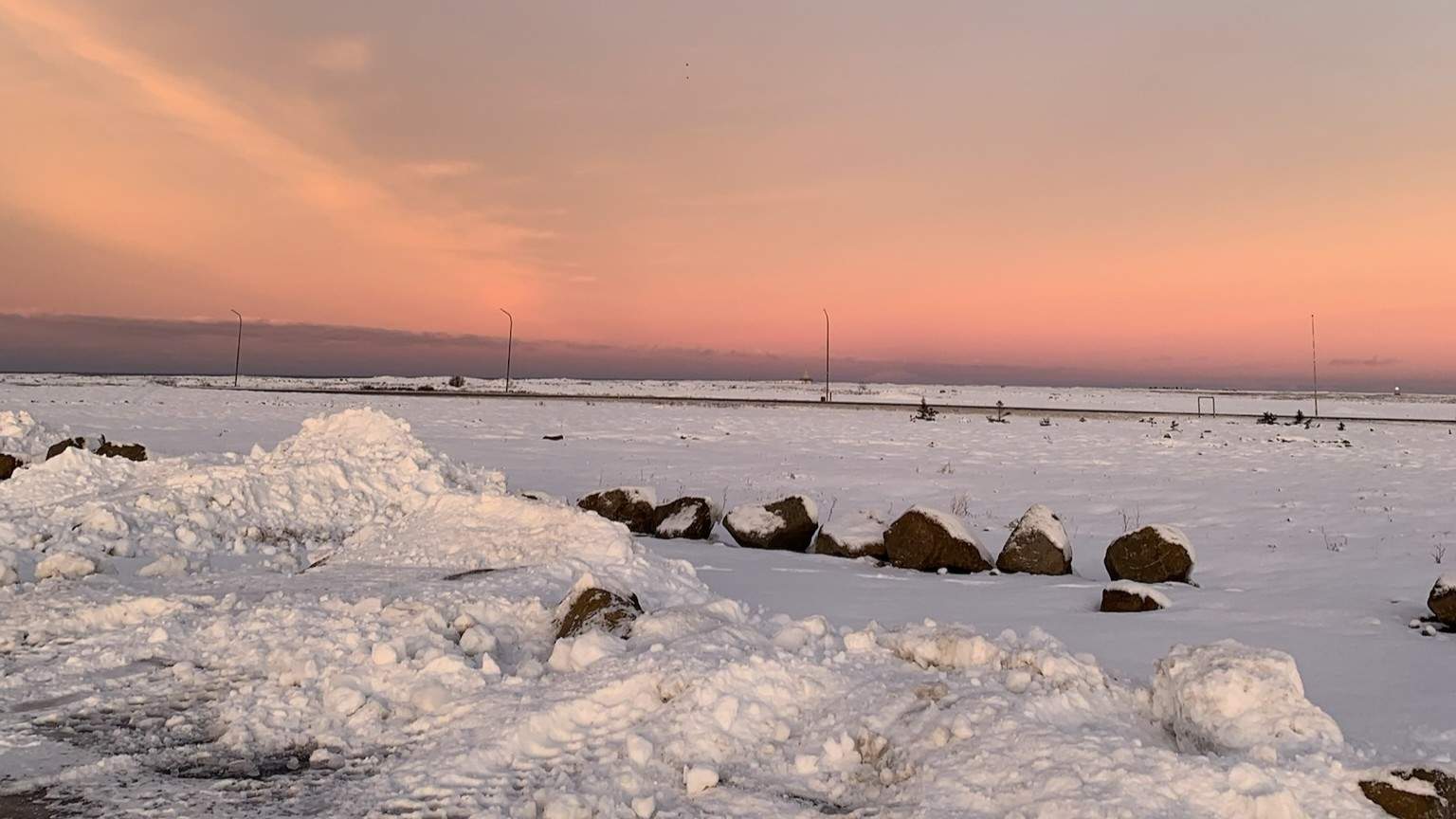
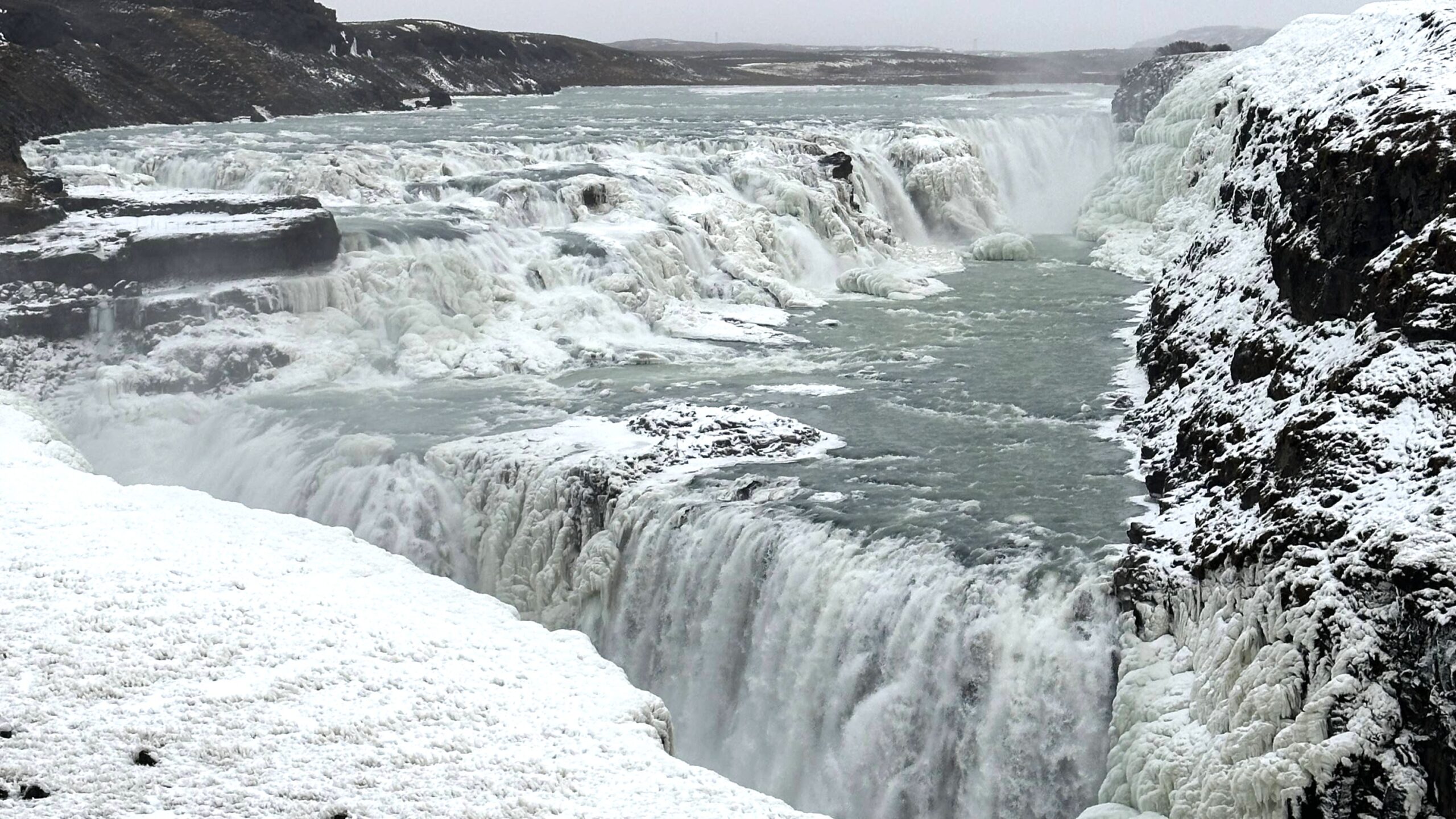
The Icelandic Met Office also reports that March is typically the snowiest month, with 23.2 cm (9.1 inches) of snow reported on average.
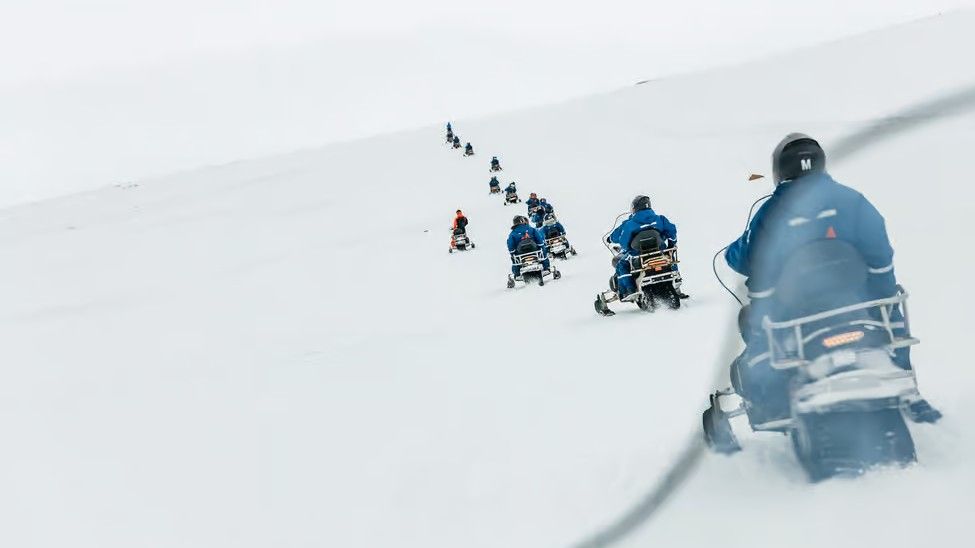
As a result, these are also the best months to go snowmobiling, skiing and snowboarding.
Winter activites in Iceland
When to visit Iceland to go Ice Caving
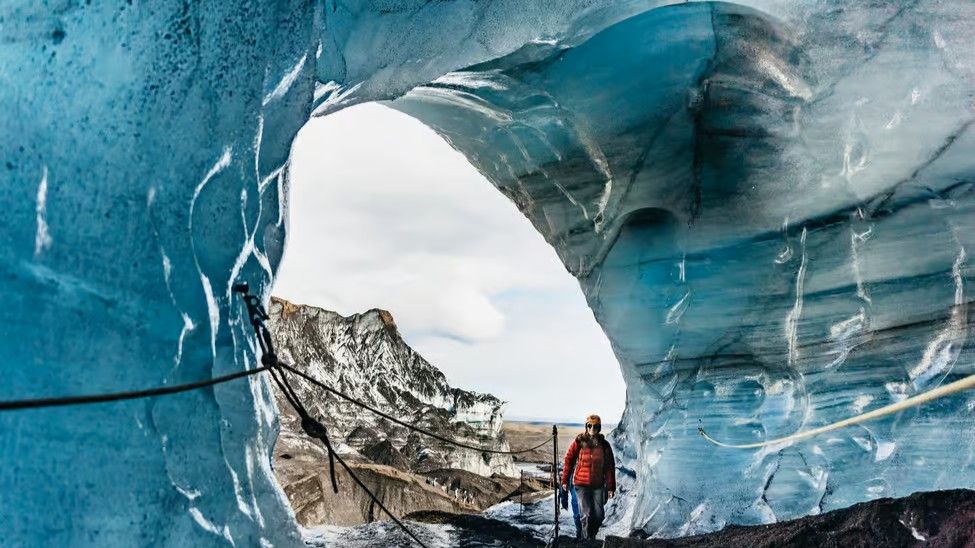
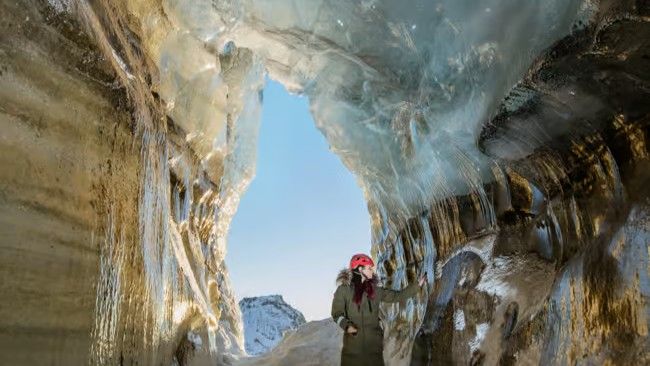
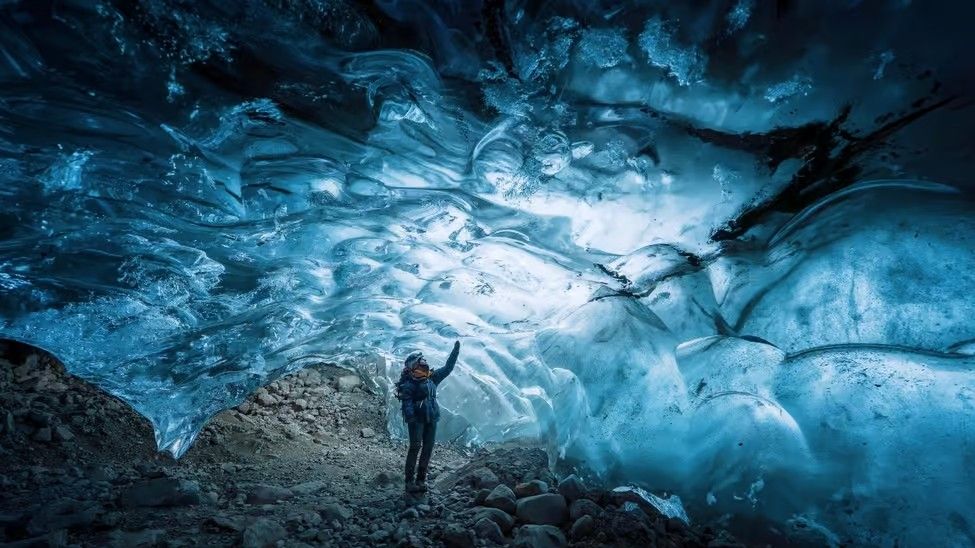
If you want to go ice caving in Iceland, then generally between November and March is the best time to visit. This is when the weather is consistently cold, making the caves stable and safe for exploration.
However, Icelandic weather can be unpredictable, so the exact duration can vary each year depending on weather conditions.
During these months, you will typically see way more Ice Caving tours running as caves are safer to enter during Winter months due to the colder temperatures solidifying the ice, making the caves more stable and less prone to collapse.
Ice Caving experiences in Iceland
When is the best time to go Glacier Hiking in Iceland
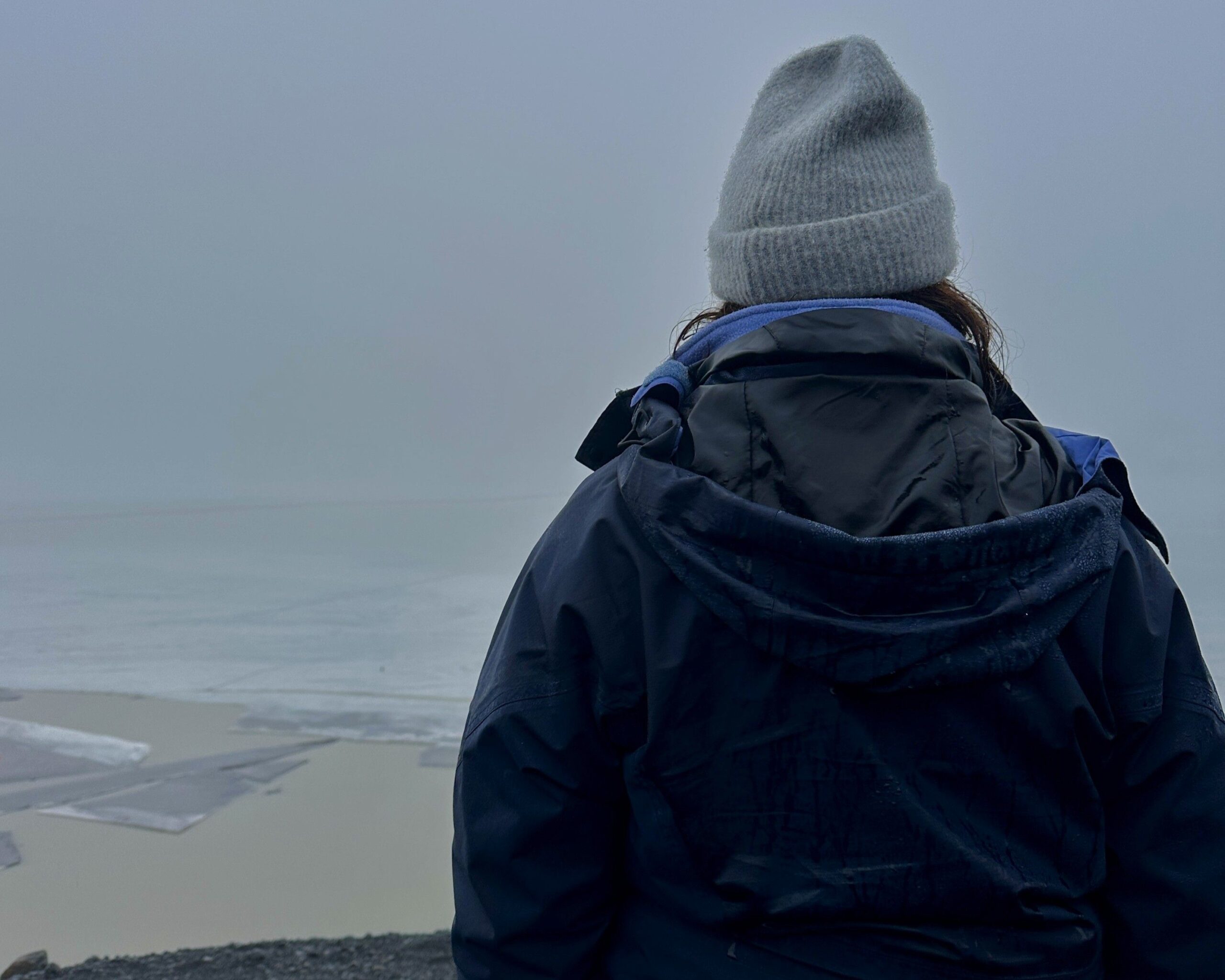
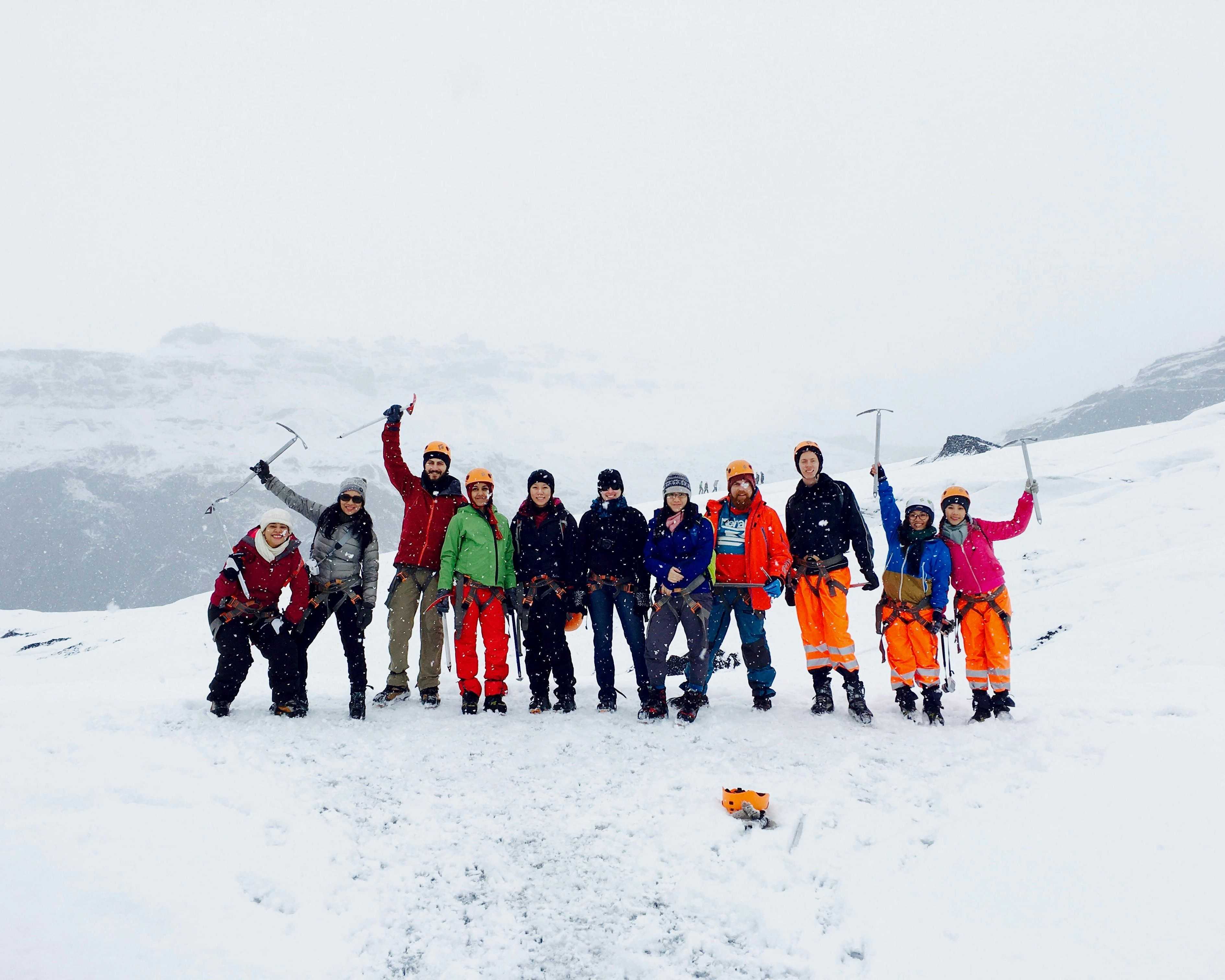
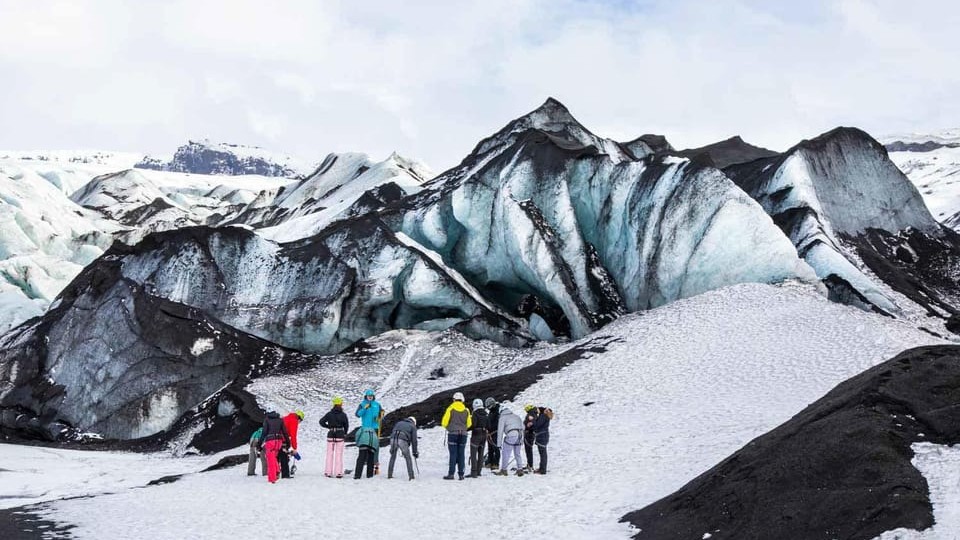
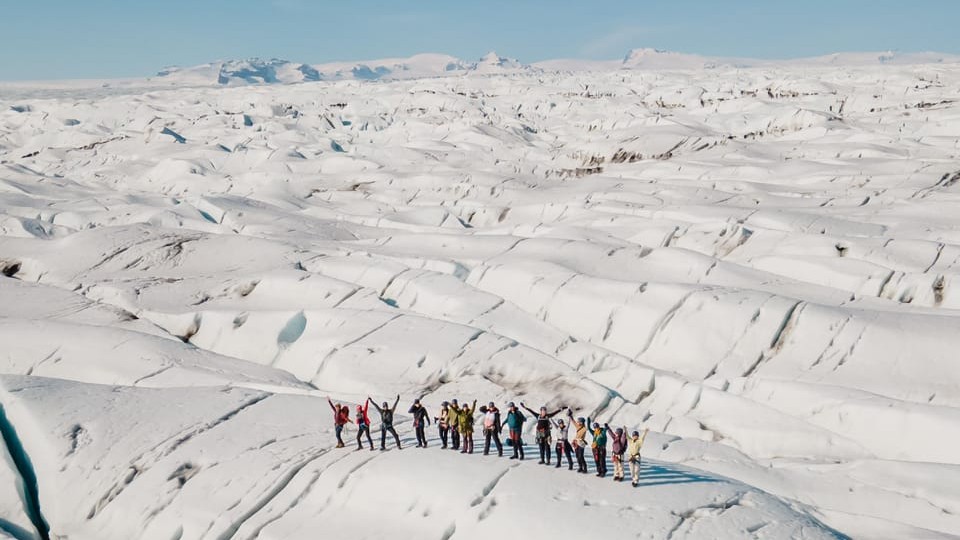
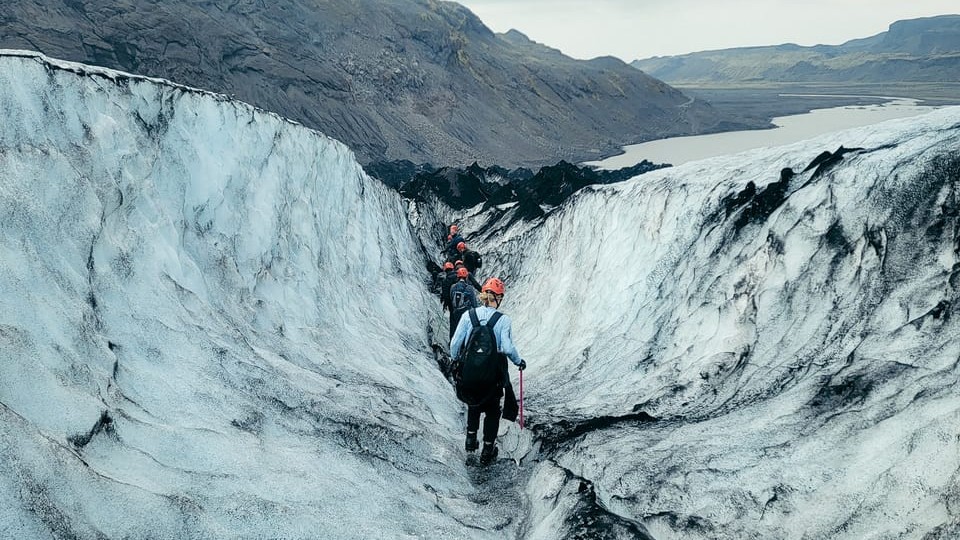
The best time for glacier hiking in Iceland is during the summer months of June to August. The better weather conditions and increased hours of sunlight make it much easier to do longer hiking routes.
Despite it being a lot easier during the summer months, glacier hiking is an activity that can be done year-round in Iceland. During the winter, it is especially recommended to go with an experienced guide as weather conditions can make the hiking routes more dangerous due to rockfall, wind, rain, ice and short daylight hours.
Glacier Hiking tours in Iceland
Lowest Prices
Iceland can be quite an expensive country to visit in general. However, saying this, it wasn’t half as expensive as I thought it would be. But this, is likely due to the time I visited.
The peak season for visiting Iceland is generally considered to be between June and August, this is when you will typically see prices ramp up.
October through to April is where you will generally see cheaper prices. However, you may see prices rise around events such as Christmas and New Year's Day.
May and September are typically regarded as more ‘shoulder seasons’, where the prices don’t quite reach their peak, but you can usually still have a similar experience visiting Iceland as you would if you visited between June and August.
For context, I visited Iceland at the start of December and managed to get return flights from the UK for £80, or approximately $108 USD, €95, or 13,800 ISK, (I travelled carry-on only, which was included in the price of the airline).
I travelled in a group of 4 and we split two hotel rooms in a 4-Star Hotel Reykjavik for a total of £145 per person for 3 nights, which worked out at roughly £49 per night (approximately $66 USD or €58 per night). This included breakfast, although I barely used that offer as I was always up and out before the breakfast time even started.
Initially, I’d looked at doing a solo trip and staying in a hostel. Turns out a hostel was actually pretty much the same price per night as splitting a hotel room with others for the time of year and the hostel I was looking at.
While I’m always an advocate for going solo over waiting around for others to join you, if it is possible to travel in a group, it can certainly make visiting Iceland a lot cheaper!
Obviously, there are additional costs on top of this – car hire, guided tours, food, fuel etc. However, things such as food were also not as much as I had predicted; the most expensive meal I had in Reykjavik was ISK 3,500 (or approximately $27.50 USD, £20, or €24).
There are definitely more expensive places to eat in Iceland, however if you do your research, you can find things within a more affordable range.
Iceland Travel FAQ
When to visit Iceland for Northern Lights?
Between late September and early April is your best chance of catching the Northern Lights in Iceland due to the reduced daylight hours and increased solar activity.
When is the best time to visit Iceland for whale watching?
It's possible to go Whale watching all year round in Iceland, but the best time is from April to September.
When is the best time to visit Iceland for snow?
The best month to visit Iceland if you want to experience snowfall is March. Reykjavik experiences an average of 23.2cm of snowfall during the month of March.
Why visit Iceland in winter?
Visiting Iceland in winter is great for experiencing a snowy wonderland, as snowfall is typical between December and March. You're also able to do plenty of winter activities such as snowmobiling, skiing, snowboarding as well as seeing the northern lights.
What is the low season in Iceland?
Low season in Iceland is when it is typically much cheaper and quieter to visit. October through to April is generally classed as low season. This is when you can visit Iceland without it causing so much damage to your wallet.
When is it cheapest to visit Iceland?
It's cheapest to visit Iceland during low season, which is October through to April, with the exception of late December/ early January where prices may rise for Christmas and New Years Day celebrations
When can I see puffins in Iceland?
Puffin season in Iceland runs from late April until early December. Most puffin tours in Iceland begin in May.
When can you see orcas in Iceland?
The best time to see orcas in Iceland is through late Winter into Spring, specifically from February to early June will give you the best chances to see orcas in Iceland.